5 Powerful AI Client Progress Tracking Software for Coaches
AI client progress tracking software for coaches helps coaching professionals monitor client milestones, track goal progress, document session outcomes, and maintain accountability systems throughout coaching programs. Instead of relying on scattered notes or manual tracking methods, these platforms provide structured dashboards that allow coaches to visualize how clients advance over time.
Coaching programs often involve multiple sessions, long-term objectives, and incremental progress milestones. As the number of clients grows, manually tracking each client’s development becomes increasingly difficult. Without structured systems, important progress data may become fragmented across documents, spreadsheets, or personal notes.
AI-powered progress tracking platforms address this challenge by providing centralized dashboards where coaches can record session insights, track goals, monitor milestones, and evaluate progress patterns.
Businesses exploring broader consulting technology ecosystems can also review AI tools for coaches and consultants to understand how progress tracking tools integrate with other software used in coaching practices.
For coaching professionals seeking greater visibility into client outcomes, AI client progress tracking software provides the structure needed to monitor development and improve coaching effectiveness.
Comparison Table
| Tool | Best For | Key Features | Starting Price |
|---|---|---|---|
| CoachAccountable | Structured progress tracking | goal tracking, milestone reporting, session documentation | ~$20/month |
| Practice.do | Coaching practice management | progress dashboards, accountability tools | ~$39/month |
| Paperbell | Independent coaches | client tracking, session documentation | ~$29/month |
| Profi | Coaching organizations | milestone tracking, program management | ~$59/month |
| Delenta | Coaching businesses | progress dashboards, accountability tracking | ~$49/month |
These platforms provide tools that allow coaches to monitor client development through structured progress tracking systems.
Key Buying Criteria
Selecting the right AI client progress tracking software for coaches requires evaluating several important capabilities. Progress tracking platforms should help coaches monitor goals, record session outcomes, and maintain accountability systems without introducing unnecessary complexity.
Goal Tracking Systems
Goal tracking is a core capability of progress tracking platforms.
Coaches often work with clients to define measurable objectives that guide the coaching journey. Progress tracking systems allow coaches to monitor how clients advance toward these objectives.
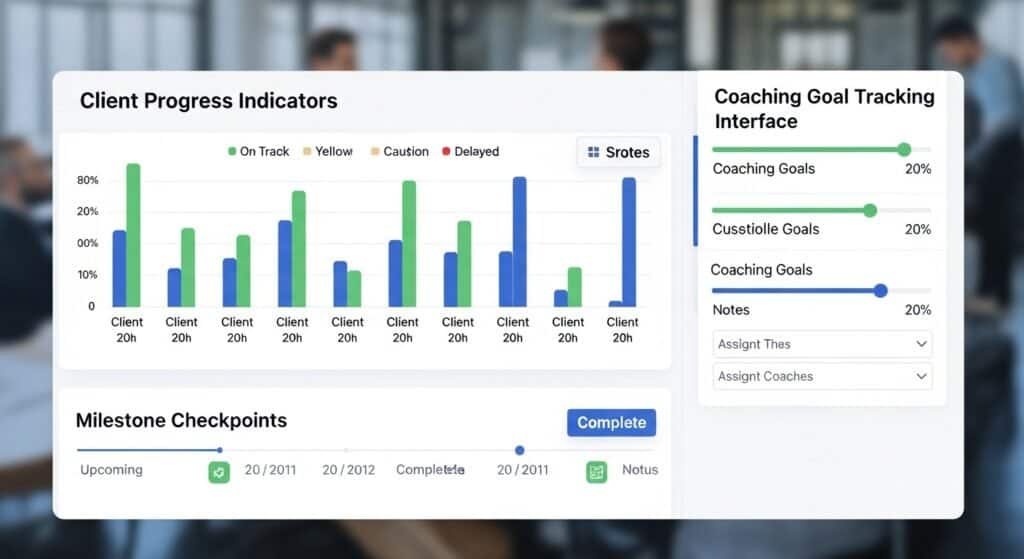
Goal tracking features typically include:
- progress indicators
- milestone checkpoints
- goal completion summaries
These systems help coaches visualize how clients move toward defined outcomes.
Milestone Tracking
Milestone tracking systems allow coaches to monitor key stages within coaching programs.
Milestones represent meaningful achievements or developmental checkpoints.
Examples may include:
- completing specific program stages
- achieving performance targets
- reaching personal development goals
Tracking milestones helps coaches evaluate client progress more effectively.
Session Documentation
Session documentation allows coaches to maintain structured records of coaching conversations.
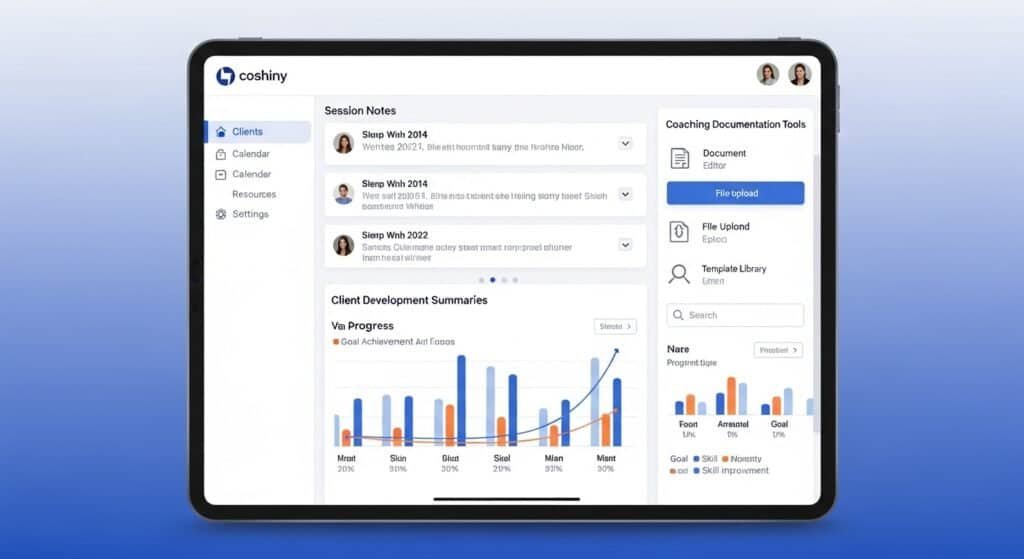
Session notes typically include:
- discussion summaries
- client insights
- action steps
Maintaining organized session records helps coaches maintain continuity between sessions.
Accountability Systems
Accountability is one of the most important components of coaching relationships.
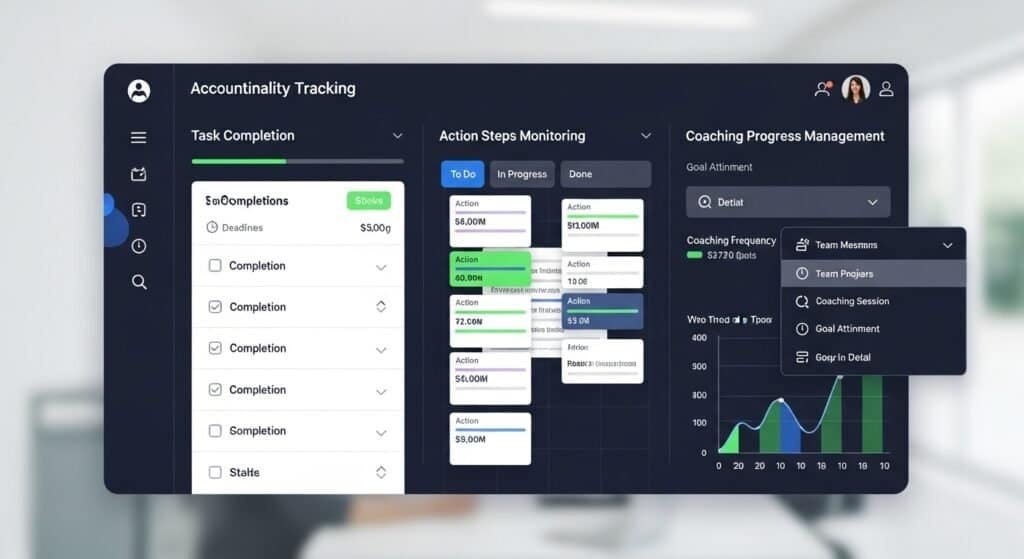
Progress tracking tools often include systems that help coaches monitor whether clients complete action steps between sessions.
These systems allow coaches to track:
- completed tasks
- pending actions
- ongoing commitments
Structured accountability systems help clients remain focused on their development goals.
Progress Dashboards
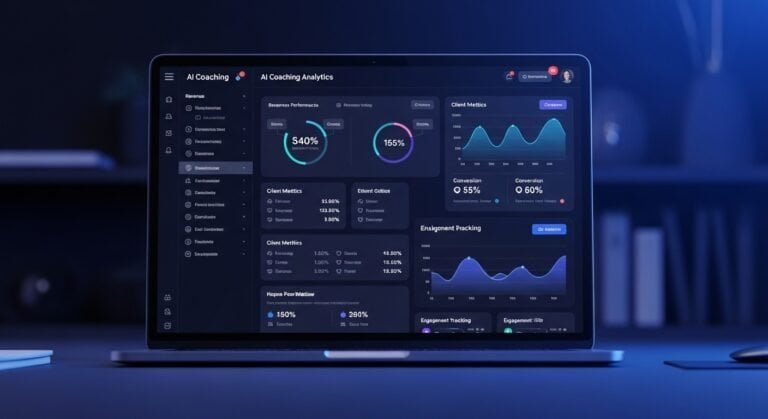
Progress dashboards provide visual representations of client development.
Dashboards allow coaches to quickly review:
- goal progress
- milestone completion
- accountability activity
These visual summaries make it easier to monitor multiple clients simultaneously.
Many coaching businesses also integrate progress tracking platforms with ai coaching crm software to organize client relationships alongside progress monitoring.
Best Tools
Several platforms provide features specifically designed to support coaching progress tracking.
1. CoachAccountable
CoachAccountable is a well-known platform designed specifically for coaching professionals.
The platform provides structured systems that allow coaches to track client progress and monitor milestones.
Key Features
- goal tracking systems
- milestone monitoring
- session documentation tools
Pros
- designed specifically for coaching businesses
- structured accountability tools
Cons
- interface customization options may be limited
Best For
Coaches who want dedicated progress tracking infrastructure.
2. Practice.do
Practice.do provides coaching practice management capabilities that include progress tracking tools.
The platform allows coaches to organize goals, monitor milestones, and track session outcomes.
Key Features
- progress dashboards
- accountability systems
- session tracking tools
Pros
- flexible coaching management tools
Cons
- interface may require configuration
Best For
Consultants managing structured coaching programs.
3. Paperbell
Paperbell provides simplified tools designed for independent coaches.
The platform allows coaches to track client interactions and record progress insights.
Key Features
- session documentation
- goal tracking systems
- client progress records
Pros
- simple interface
Cons
- limited advanced analytics capabilities
Best For
Solo coaches managing small client bases.
4. Profi
Profi provides infrastructure designed for coaching organizations and educational programs.
The platform includes structured systems for monitoring client progress.
Key Features
- milestone tracking
- coaching program management
- client development dashboards
Pros
- suitable for structured coaching programs
Cons
- may require onboarding setup
Best For
Organizations delivering structured coaching programs.
5. Delenta
Delenta provides tools designed for coaches who want structured progress tracking systems.
The platform allows coaches to monitor goals and maintain accountability frameworks.
Key Features
- progress dashboards
- accountability tracking
- milestone reporting
Pros
- coaching-focused design
Cons
- fewer customization options
Best For
Coaches managing ongoing development programs.
Some coaching organizations also combine progress tracking platforms with ai coaching performance analytics software to analyze coaching outcomes across programs.
Strengths of Each Tool
Understanding the strengths of each platform helps coaches select the most suitable system for their practice.
CoachAccountable
CoachAccountable provides specialized tools designed specifically for coaching workflows.
The platform offers structured accountability systems that support ongoing client engagement.
Practice.do
Practice.do provides flexible coaching management capabilities.
The platform allows coaches to organize both administrative tasks and progress tracking activities.
Paperbell
Paperbell focuses on simplicity and ease of use.
The platform is well suited for independent coaches who want streamlined progress tracking tools.
Profi
Profi provides infrastructure designed for structured coaching programs.
The platform allows organizations to manage multiple clients simultaneously.
Delenta
Delenta offers coaching-specific features designed to support client development tracking.
The platform emphasizes accountability and milestone monitoring.
Pricing Landscape
Pricing for AI client progress tracking software for coaches varies depending on platform capabilities.
Entry-Level Platforms
Basic progress tracking tools typically cost $20–$40 per month.
These tools provide essential goal tracking and session documentation features.
Mid-Tier Platforms
More advanced platforms typically range between $40–$80 per month.
These systems include progress dashboards and accountability tracking capabilities.
Advanced Platforms
Platforms designed for coaching organizations may cost $80 or more per month, depending on the number of clients and features provided.
Choosing the appropriate platform depends on the size of the coaching practice and the complexity of progress tracking requirements.

Selection Checklist
Before choosing AI client progress tracking software, coaches should evaluate several factors.
Goal Tracking Capability
Ensure the platform provides structured systems for monitoring client goals.
Milestone Visibility
The platform should allow coaches to track meaningful milestones during coaching programs.
Session Documentation
Session notes should be organized within client records for easy reference.
Accountability Systems
Tools should allow coaches to monitor client commitments and action steps.
Scalability
The platform should support growing coaching practices without introducing operational complexity.
Final Recommendation
AI client progress tracking software for coaches provides the structure needed to monitor client development and maintain accountability within coaching programs.
Without structured tracking systems, coaches often rely on scattered notes that make it difficult to evaluate client progress. Progress tracking platforms centralize goal tracking, session documentation, and milestone monitoring within organized dashboards.
By implementing these systems, coaches gain better visibility into client outcomes while maintaining organized records of coaching interactions.
For coaching professionals who want to improve program structure and maintain consistent accountability, progress tracking software provides the operational framework needed to support long-term client development.
FAQ
1. What is AI client progress tracking software for coaches?
AI client progress tracking software for coaches helps monitor goal progress, record session notes, track milestones, and maintain accountability systems throughout coaching programs.
2. Why do coaches use progress tracking tools?
Progress tracking tools allow coaches to monitor client development, maintain organized session documentation, and track milestones within structured coaching programs.
3. What features should coaching progress tracking software include?
Important features include goal tracking dashboards, milestone monitoring, session documentation systems, accountability tracking, and client progress reporting.
4. Can progress tracking tools improve coaching results?
Yes. Structured tracking systems allow coaches to monitor development patterns and identify areas where clients need additional support.
5. How do coaches track milestones during coaching programs?
Most progress tracking platforms include milestone reporting systems that show how clients advance through coaching objectives and developmental stages.
Disclaimer
The information provided in this article is for educational and informational purposes only. While we aim to keep content accurate and up to date, software features and availability may change over time. Some links on this page may be affiliate links, meaning we may earn a commission if you purchase through them at no additional cost to you. Always evaluate tools based on your specific business needs before making a decision.