AI Coaching Performance Analytics Software: 5 Tools to Measure Coaching Outcomes and Improve Results
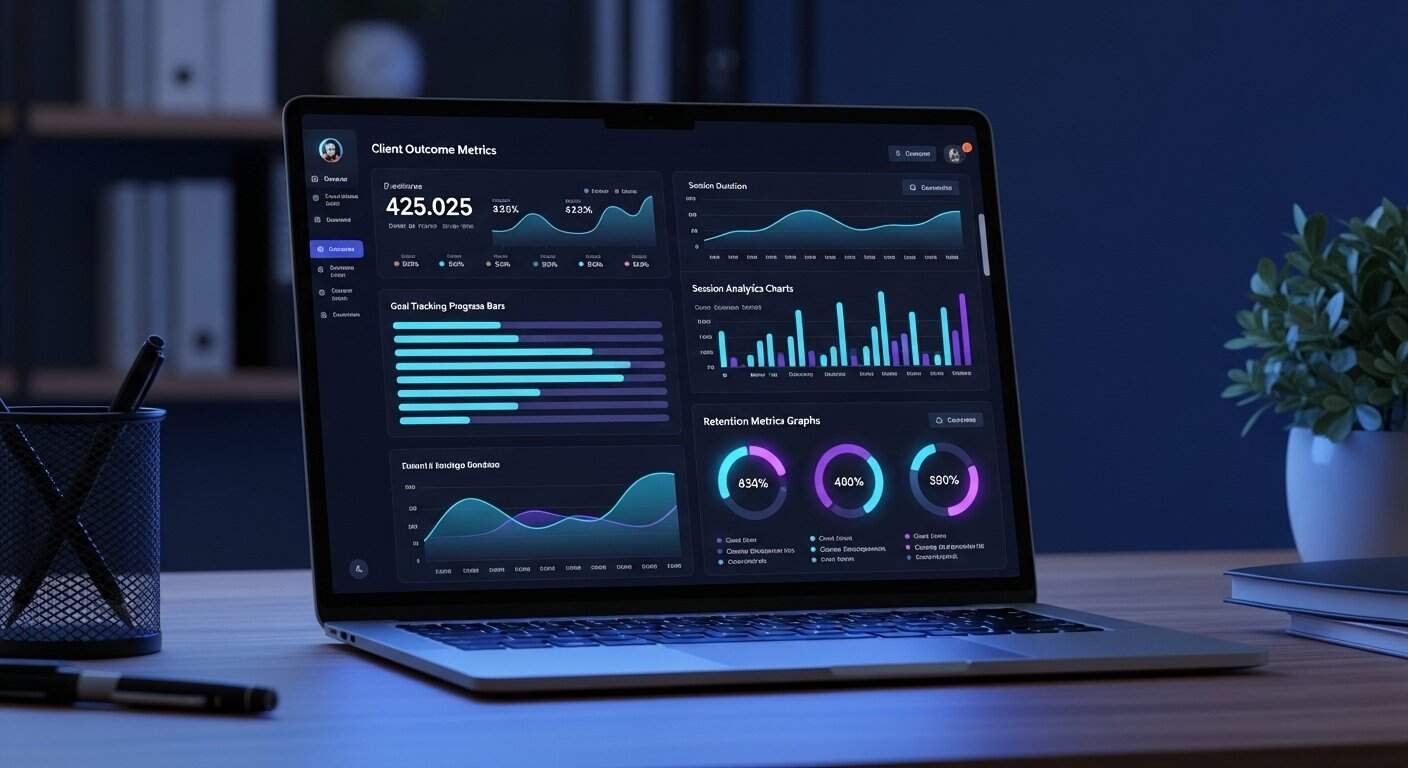
AI coaching performance analytics software enables coaching businesses to measure coaching outcomes, track client progress, monitor retention metrics, and evaluate the real performance of their programs.
Many coaching businesses focus heavily on client acquisition and session delivery. However, they often lack structured systems to measure whether their programs are actually producing meaningful results.
Without performance analytics systems in place, coaches struggle to answer critical business questions such as:
- Are clients achieving measurable progress?
- Which coaching programs deliver the strongest outcomes?
- Where do clients disengage or drop off?
- Which program structures improve retention?
- What operational gaps are reducing effectiveness?
When these insights are missing, decision-making becomes reactive instead of data-driven. Coaches may continue running underperforming programs without realizing where the problem exists.
This is where ai coaching performance analytics software becomes essential.
These platforms analyze coaching outcomes, session activity, and retention patterns to provide a structured, data-backed view of program performance. Instead of relying on subjective feedback, coaches can evaluate service quality using measurable indicators.
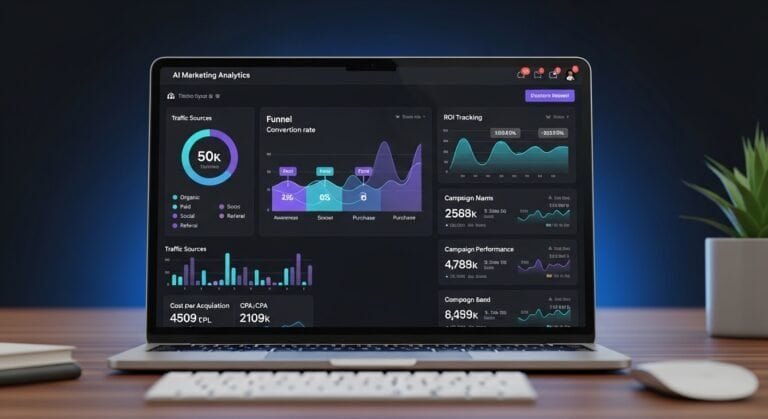
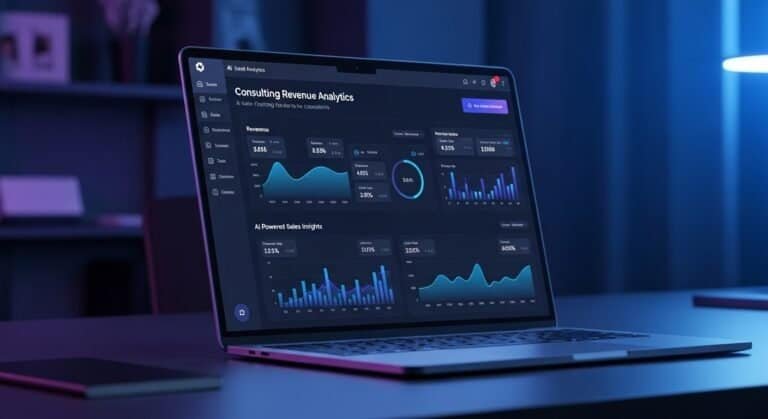
In a modern coaching business, performance analytics does not operate in isolation. It works as part of a broader analytics layer. Many businesses combine these tools with an AI coaching analytics dashboard to monitor overall business performance across revenue, client engagement, and conversion metrics.
For a complete understanding of how performance analytics fits into the full coaching technology stack, explore this guide on AI tools for coaches and consultants, which outlines the systems used to build scalable, data-driven coaching businesses.
The Operational Challenge
Coaching businesses face several operational challenges when trying to measure the effectiveness of their programs.
Limited Visibility into Client Outcomes
Many coaching businesses rely on informal feedback to evaluate whether clients are making progress.
However, anecdotal feedback does not provide a clear view of performance trends across multiple clients.
Without structured data, it becomes difficult to identify patterns in coaching outcomes.
Difficulty Tracking Client Progress
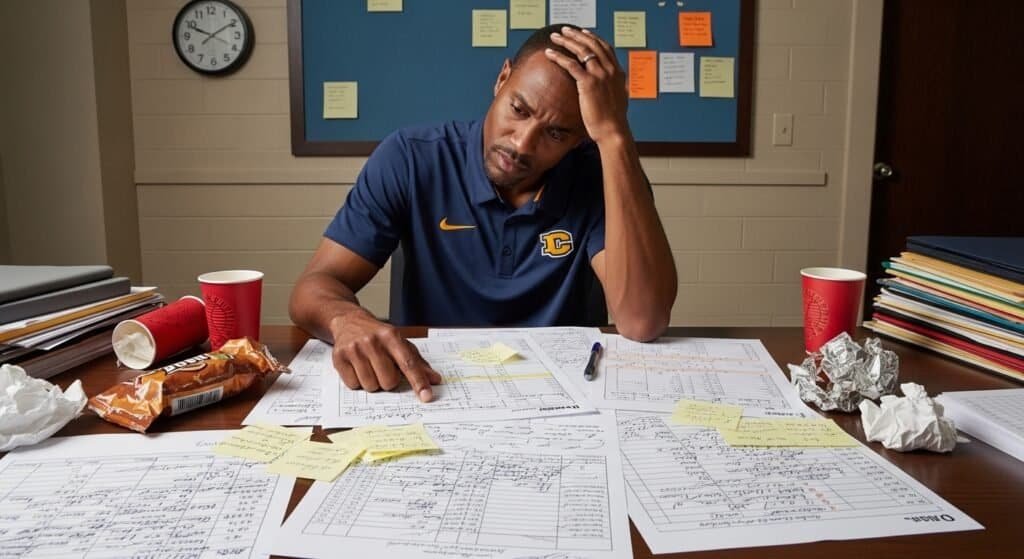
Tracking progress manually can be time-consuming.
Coaches may attempt to track goals and milestones using spreadsheets, personal notes, or basic tracking documents.
This approach often leads to inconsistent data and incomplete progress records.
Lack of Program Performance Insights
When multiple programs are running simultaneously, it can be difficult to determine which programs produce the best results.
Without performance analytics, coaches cannot easily compare:
- retention rates across programs
- client outcome metrics
- session engagement levels
This limits the ability to optimize program design.
Identifying Bottlenecks in Coaching Delivery
Some coaching programs may experience performance bottlenecks.
For example:
- clients may disengage midway through a program
- progress may slow during specific stages
- certain sessions may not produce measurable results
Without analytics systems, identifying these bottlenecks becomes difficult.
Scaling Successful Coaching Programs
One of the most important decisions for a coaching business is determining which programs should be scaled.
However, scaling decisions require data.
Performance analytics systems provide the insights needed to identify high-performing programs.
How This Software Solves It
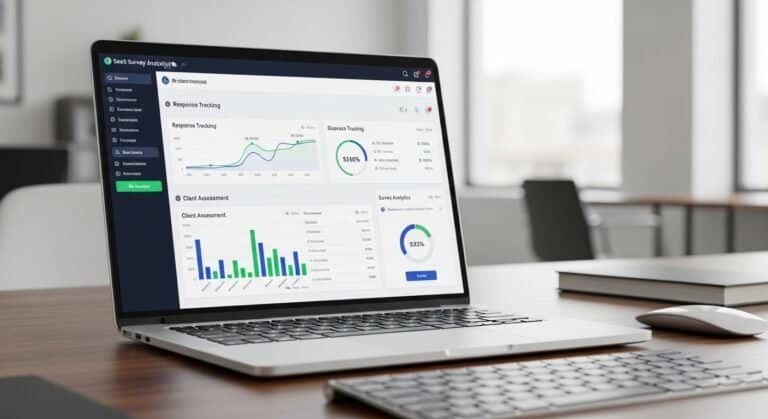
AI-powered performance analytics platforms address these challenges by analyzing coaching data and presenting insights through structured analytics dashboards.
Structured Outcome Tracking
Performance analytics platforms track coaching outcomes across multiple clients.
This may include:
- goal completion rates
- milestone achievement
- client progress indicators
These insights help coaches understand how effectively their programs deliver results.
Session Analytics
Session analytics provide insights into how coaching sessions contribute to client progress.
Examples of session metrics include:
- session frequency
- client participation levels
- progress between sessions
These insights help coaches refine session structures.
Retention Metrics
Retention metrics measure how long clients remain engaged in coaching programs.
Analytics dashboards may display metrics such as:
- program completion rates
- early dropout rates
- retention trends
Understanding retention patterns helps coaches improve program structure.
Offer Performance Analysis
Performance analytics tools also analyze coaching offers at a program level.
For example, the system may compare:
- client outcome metrics across programs
- engagement levels by program type
- retention rates by offer
This helps coaches determine which programs deliver the best results.
Performance Bottleneck Identification
AI analytics systems can identify patterns that indicate performance bottlenecks.
For example, analytics tools may reveal:
- stages where client progress slows
- sessions with lower engagement levels
- program steps that lead to higher dropout rates
These insights allow coaches to refine program design.

Core Capabilities
Several core capabilities define strong coaching performance analytics platforms.
Goal Tracking Systems
Goal tracking tools monitor client progress toward specific outcomes.
Clients may set goals at the beginning of a program, and analytics systems track how those goals evolve over time.
Goal tracking provides a measurable view of coaching effectiveness.
Client Outcome Analytics
Outcome analytics evaluate how coaching programs influence client results.
Metrics may include:
- progress scores
- goal completion percentages
- program impact metrics
These insights allow coaches to quantify the results of their services.
Session-Level Analytics
Session analytics analyze the impact of individual coaching sessions.
Examples include:
- session participation metrics
- progress achieved between sessions
- session frequency patterns
These insights help coaches optimize session formats.
Retention Monitoring
Retention metrics reveal whether clients remain engaged throughout a program.
High retention rates typically indicate strong program design.
Low retention rates may indicate operational issues.
Offer Performance Evaluation
Analytics tools compare the performance of different coaching programs.
This helps businesses determine:
- which programs should be expanded
- which programs require improvement
- which offers generate the strongest outcomes
For deeper client progress insights, many businesses also use systems such as ai client progress tracking software for coaches, which monitor individual client development over time.

Top Tools
Several analytics platforms provide strong capabilities for coaching performance analytics.
1. CoachAccountable
CoachAccountable provides coaching management tools that include outcome tracking and progress monitoring.
The platform allows coaches to track client goals, measure progress, and monitor program engagement.
2. Delenta
Delenta is designed specifically for coaching businesses.
The platform includes tools for tracking client progress, monitoring session outcomes, and evaluating coaching program effectiveness.
3. Paperbell
Paperbell includes analytics tools that help coaches monitor client engagement and session activity.
The platform provides visibility into client outcomes and program performance.
4. Nudge Coach
Nudge Coach is widely used by coaching professionals who want to monitor client progress and engagement.
The platform includes structured goal tracking and progress analytics.
5. Simply.Coach
Simply.Coach offers performance tracking tools that help coaching businesses measure client outcomes and retention metrics.
The platform also provides analytics dashboards that visualize coaching performance.

Implementation Considerations
Implementing coaching performance analytics software requires thoughtful planning.
Data Collection Strategy
Analytics systems rely on structured data.
Coaches must determine what information should be collected during sessions and program activities.
Defining Success Metrics
Coaching businesses should clearly define the metrics used to measure success.
Examples include:
- goal completion
- retention rates
- program engagement
- client progress indicators
Defining these metrics ensures meaningful analytics insights.
Staff Training
Coaches and team members should understand how to use analytics dashboards effectively.
This ensures the system becomes a useful operational tool rather than an unused reporting feature.
Integration with Existing Systems
Performance analytics platforms often integrate with other coaching tools.
These integrations allow businesses to combine client progress data with broader analytics insights.

Pricing Expectations
Pricing for performance analytics software varies depending on platform capabilities and business size.
Entry-Level Platforms
Basic coaching analytics platforms typically cost between:
$25 to $80 per month
These tools provide fundamental goal tracking and progress monitoring features.
Mid-Tier Analytics Platforms
More advanced analytics systems may cost between:
$80 to $200 per month
These platforms provide deeper performance analytics and customizable dashboards.
Enterprise Coaching Platforms
Enterprise-level platforms may cost:
$300 or more per month
These platforms are designed for organizations with large coaching teams and complex program structures.
Final Thoughts
As the coaching industry continues to grow, performance measurement is becoming increasingly important.
Successful coaching businesses must be able to demonstrate the effectiveness of their programs.
AI coaching performance analytics software provides the tools needed to measure coaching outcomes, track client progress, and evaluate program effectiveness.
By analyzing goal tracking data, session analytics, retention metrics, and offer performance, these systems provide a structured view of coaching performance.
With the right analytics infrastructure in place, coaching businesses can refine program design, improve service quality, and scale the programs that deliver the strongest results.
FAQ
1. What is AI coaching performance analytics software?
AI coaching performance analytics software tracks client outcomes, goal progress, session performance, and retention metrics to evaluate coaching effectiveness.
2. How does performance analytics improve coaching results?
It provides data-driven insights that help coaches identify bottlenecks, improve program design, and enhance client outcomes.
3. What metrics are tracked in coaching performance analytics?
Key metrics include goal tracking, session analytics, retention metrics, client outcomes, and offer performance.
4. Can performance analytics help scale coaching programs?
Yes. By identifying high-performing programs, coaches can focus on scaling offers that deliver the best results.
5. Is performance analytics software suitable for solo coaches?
Yes. Even solo coaches benefit from structured insights that improve service quality and client results.
Disclaimer
The information provided in this article is for educational and informational purposes only. While we aim to keep content accurate and up to date, software features and availability may change over time. Some links on this page may be affiliate links, meaning we may earn a commission if you purchase through them at no additional cost to you. Always evaluate tools based on your specific business needs before making a decision.