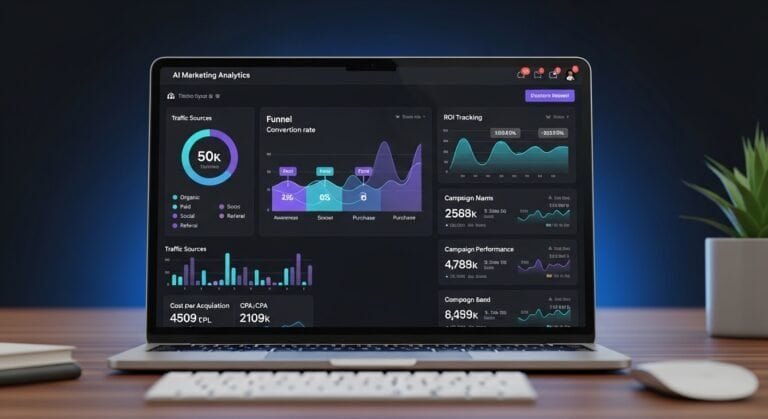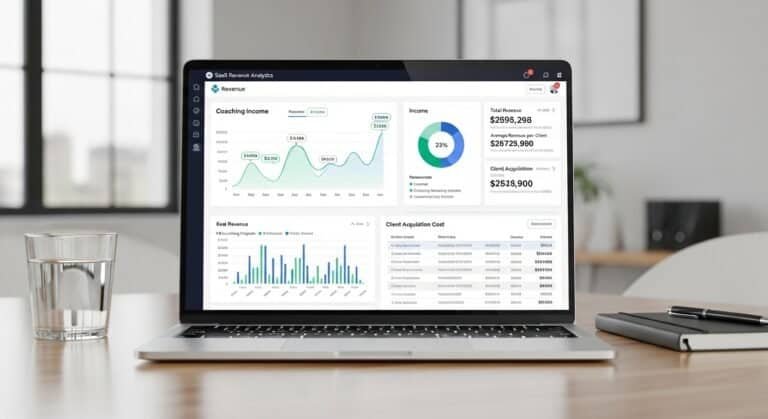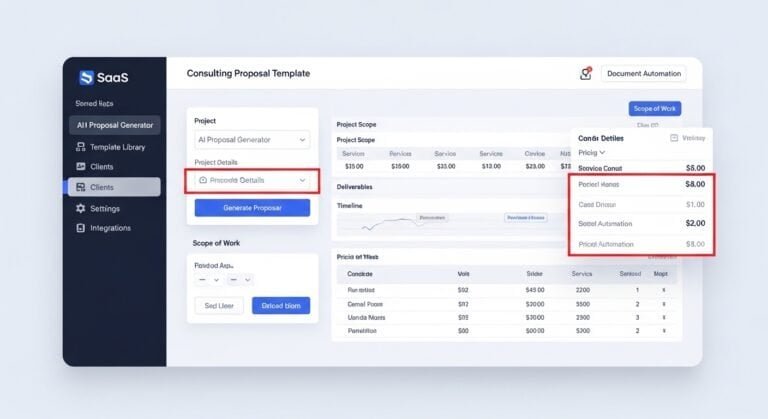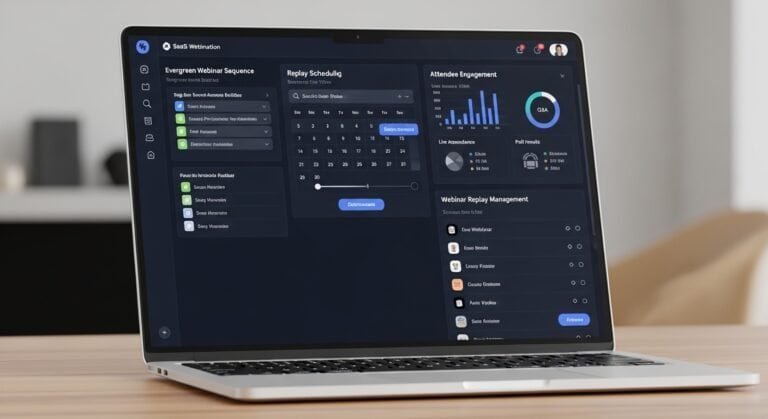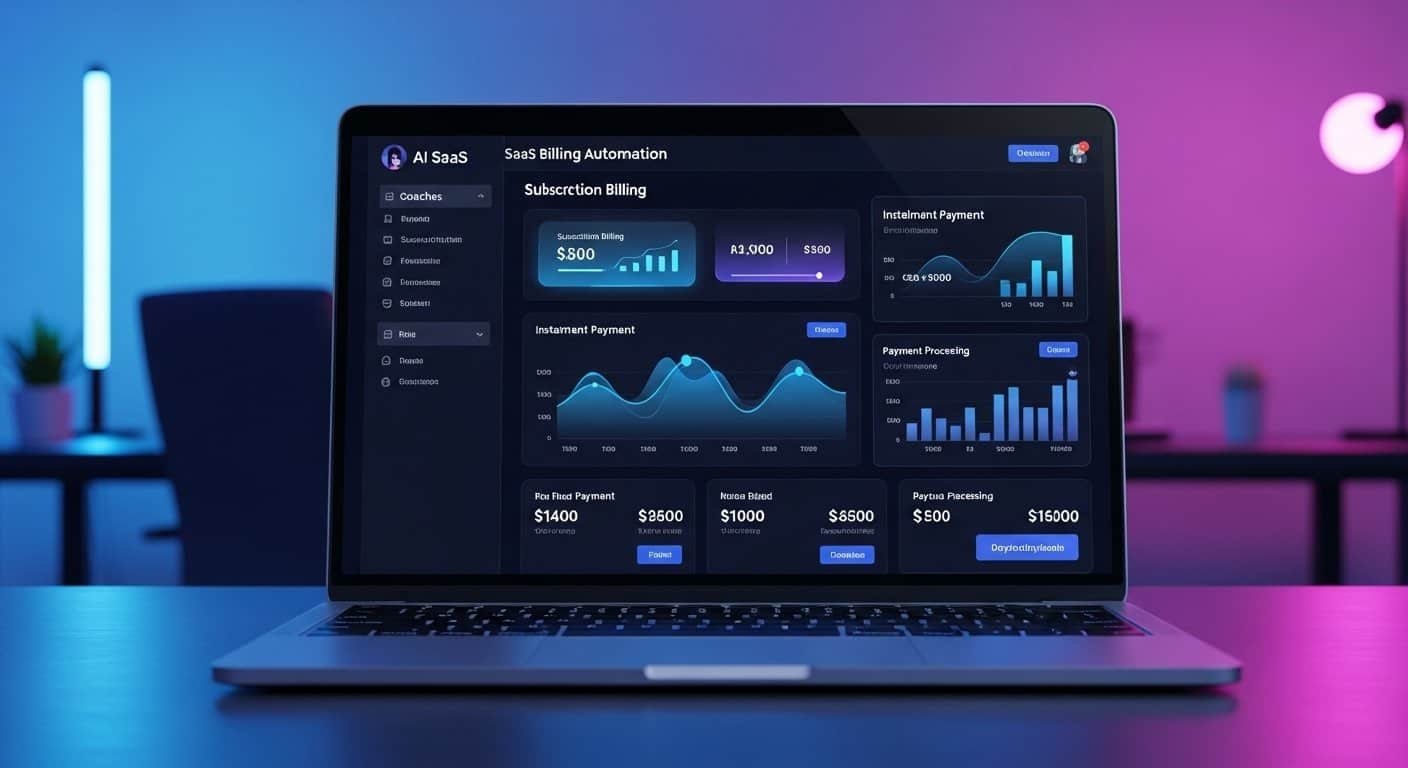
8 Powerful AI Automated Billing Tools for Coaches to Simplify Client Payments
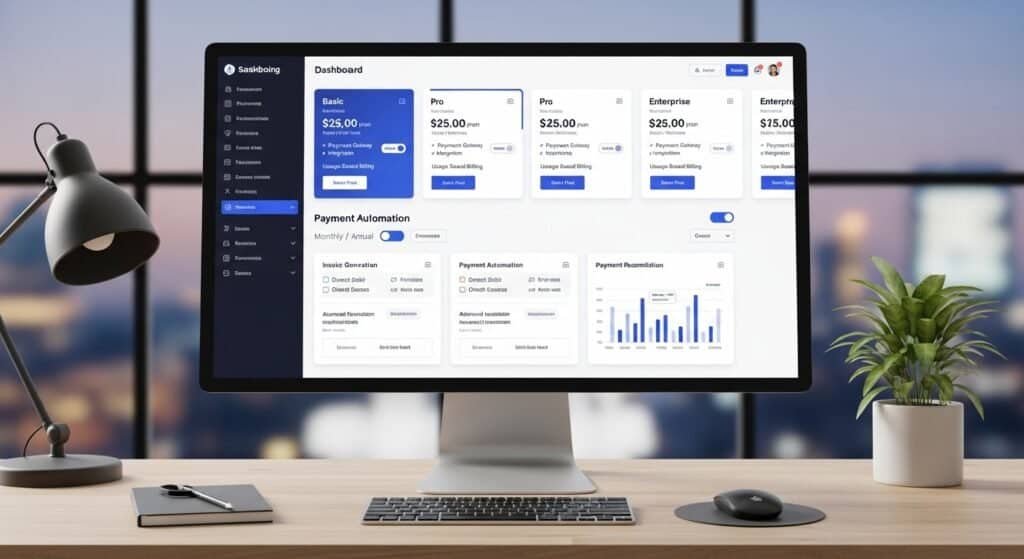
AI automated billing tools for coaches help coaching businesses automate billing cycles, manage installment payments, simplify subscription billing, and reduce the amount of manual accounting work required to run a service-based business.
For many coaches, billing starts out simple. A few clients pay through manual invoices, bank transfers, or direct payment links. At that stage, it may feel manageable. But once a coaching business grows, billing becomes more complex very quickly.
A coach may be running several offers at the same time, such as one-on-one coaching, group programs, workshops, digital trainings, retainers, and memberships. Each offer can have a different payment structure. Some clients pay once upfront. Others use installment plans. Some are billed monthly under recurring agreements. Others join subscription-based coaching communities.
When this complexity is handled manually, problems usually appear fast. Coaches forget to send invoices on time. Installment schedules become disorganized. Payment reminders are inconsistent. Subscription billing flows break. Admin work expands. Revenue collection becomes slower and less predictable.
That is where ai automated billing tools for coaches become important. These tools introduce structure into the billing process. They reduce manual effort, improve billing consistency, and help coaches build a more reliable financial system around their offers.
Instead of relying on scattered spreadsheets, manual follow-ups, and repeated payment setup tasks, coaches can use automated billing software to run repeatable client billing workflows.
This category of software is especially useful for businesses that want to scale without increasing back-office complexity. It sits alongside other important systems in a modern coaching stack. For a broader view of the ecosystem, see AI tools for coaches and consultants.
Comparison Table
Before choosing a billing platform, it helps to compare the major decision factors side by side.
| Tool | Billing Automation | Installment Payments | Subscription Billing | Invoice Automation | Payment Processing |
|---|---|---|---|---|---|
| Stripe Billing | Strong | Strong | Strong | Good | Strong |
| Chargebee | Strong | Strong | Strong | Moderate | Strong |
| Paddle | Strong | Moderate | Strong | Moderate | Strong |
| Zoho Billing | Strong | Strong | Strong | Strong | Good |
| Recurly | Strong | Moderate | Strong | Moderate | Strong |
| PayKickstart | Strong | Strong | Strong | Good | Strong |
| QuickBooks + Payments | Moderate | Moderate | Limited | Strong | Good |
| FreshBooks | Moderate | Moderate | Limited | Strong | Good |
This table shows a basic pattern. Some platforms are stronger for recurring subscription-heavy models. Others are better for invoice-driven coaching businesses. Some are built around payment infrastructure. Others are better for finance operations and client billing administration.
The right choice depends on business model, not just brand familiarity.
Key Buying Criteria
A coach should not select a billing platform based only on popularity. The correct decision comes from understanding the billing structure of the business.
1. Billing cycle automation
The first major buying criterion is the ability to automate billing cycles.
A coaching business may need to bill clients:
- one time
- monthly
- quarterly
- annually
- at custom milestone intervals
If the software cannot support flexible billing cycles, the coach will eventually be forced back into manual work.
Strong billing cycle automation means the system can automatically trigger charges, generate billing records, and notify clients according to the correct schedule.
This matters most for coaches with recurring retainers, memberships, or long-duration programs.
2. Installment payment support
Installment billing is common in coaching because higher-ticket programs often need flexible payment options.
Examples include:
- 3-pay plans for a group program
- 6 monthly payments for a certification offer
- milestone payments for a consulting engagement
- split payment options for premium coaching packages
Without strong installment logic, coaches end up tracking payment schedules manually. That leads to errors and delayed collections.
A good billing tool should allow installment plans to be created once and then run automatically.
3. Subscription billing capability
Some coaching businesses are not one-time offer businesses anymore. They are moving toward continuity models such as memberships, monthly communities, or recurring advisory access.
That creates a need for subscription billing flows such as:
- recurring monthly charges
- subscription renewals
- failed payment retries
- plan upgrades
- plan downgrades
- pauses or cancellations
If subscriptions are central to the business, the billing system must handle that well.
This is where tools related to ai coaching subscription management software often overlap with billing automation.
4. Client billing workflow quality
Billing software is not only about charging money. It is also about the workflow around the charge.
That includes:
- when a bill is created
- how it is sent
- how reminders are triggered
- how overdue payments are handled
- how confirmations are recorded
The software should reduce friction for both the coach and the client.
5. Invoice automation
Even when the main need is automated billing, invoice automation still matters. Many coaching businesses use hybrid billing structures where some clients are charged automatically while others receive formal invoices.
This is why integration with ai invoice automation tools for coaches can be valuable in a broader finance workflow.
6. Payment processing flexibility
A billing system is only useful if it can actually collect the money reliably.
That means checking whether the tool supports the payment processors, currencies, and regions that matter to the business.
7. Operational simplicity
A coach does not need the most complex billing tool. They need the one that reduces operational drag.
A platform that is powerful but difficult to configure may create more overhead than it removes.

Best Tools
Different billing tools fit different coaching business models. Below are some of the strongest categories and use cases.
1. Stripe Billing
Stripe Billing is one of the strongest tools for flexible digital billing infrastructure.
It is especially effective for:
- recurring billing
- installment plans
- subscription workflows
- payment retries
- global payment collection
Stripe is often best for coaching businesses that want powerful billing logic and are comfortable working with a more system-oriented setup.
Its main advantage is flexibility. Its main weakness is that some coaches may find it less simple than smaller invoicing-focused tools.
2. Chargebee
Chargebee is built heavily around recurring billing and subscription operations.
It is a strong choice for coaches with:
- membership products
- recurring coaching plans
- hybrid monthly billing offers
- high subscription complexity
Chargebee handles subscription logic very well. It is particularly useful when billing is not simple and when the business needs more structured recurring payment management.
3. Paddle
Paddle is useful for digital businesses that want billing plus payment infrastructure in one system.
It is often attractive when a business is selling:
- online programs
- digital memberships
- subscription services
- digital consulting products
Paddle can simplify parts of tax and payment administration, which is useful for internationally distributed digital service models.
4. Zoho Billing
Zoho Billing is a good option for businesses that want structured billing workflows with broader operational organization.
It is helpful for coaches who need:
- automated billing cycles
- recurring invoices
- subscription billing
- installment plan management
- administrative control
Zoho tends to fit businesses that want a practical business operations system rather than only a payment engine.
5. Recurly
Recurly is oriented toward recurring revenue businesses.
It is strong for:
- subscription billing automation
- dunning management
- renewals
- recurring revenue processes
This makes it more suitable for coaching businesses with heavier continuity revenue rather than purely one-off sales.
6. PayKickstart
PayKickstart is widely used in digital offer environments where businesses sell coaching, courses, or online access products with complex billing logic.
It is useful for:
- multi-pay offers
- recurring memberships
- promotional billing flows
- offer-based payment structures
This can be a strong fit for online coaching businesses with structured offer funnels, as long as the business is prioritizing billing automation over full finance suite complexity.
7. QuickBooks + Payments
QuickBooks is not the most advanced billing automation platform in this category, but it can still be effective for coaches who want billing connected closely with bookkeeping.
It is better for businesses that prioritize accounting structure and want billing to sit near the accounting layer.
8. FreshBooks
FreshBooks is often easier for smaller service businesses.
It works best when the coach needs:
- simple automated billing
- recurring invoices
- reminder workflows
- service business professionalism
It is usually more useful for coaches with lower billing complexity.
Strengths of Each Tool
Looking only at “best tools” is not enough. The better question is: what is each one strongest at?
Best for flexibility: Stripe Billing
Stripe Billing wins on flexibility. It handles multiple billing models and supports deep automation logic.
Best for recurring subscription-heavy businesses: Chargebee
Chargebee is one of the strongest choices when continuity revenue is central.
Best for digital business infrastructure: Paddle
Paddle is attractive when the business is selling digital services across markets and wants simpler payment admin.
Best for structured business operations: Zoho Billing
Zoho Billing is strong when the business wants organized billing workflows tied to broader administration.
Best for recurring revenue retention logic: Recurly
Recurly is strong for subscription lifecycle and renewal-focused businesses.
Best for online offer complexity: PayKickstart
PayKickstart works well when the business sells digital coaching offers with varied payment structures.
Best for accounting-connected billing: QuickBooks
QuickBooks makes more sense when finance control and bookkeeping alignment are top priorities.
Best for simplicity: FreshBooks
FreshBooks is best for coaches who need clean billing automation without enterprise-level complexity.
Pricing Landscape
Billing software pricing varies more than many coaches expect.
Transaction fee model
Some tools are priced mainly through transaction-based fees. This is common with payment-infrastructure-first platforms.
Typical ranges may include a percentage of revenue processed plus standard payment processing fees.
This model may seem simple, but it becomes expensive as volume grows. Coaches should calculate the real annual cost, not just the monthly sticker price.
Monthly subscription model
Other tools charge fixed monthly fees. These often increase based on:
- number of customers
- billing volume
- feature depth
- advanced automation
- subscription logic
This model is easier to predict, but only makes sense if the tool’s features actually reduce enough admin work.
Hybrid pricing
Some platforms combine monthly fees with transaction-based costs.
That is not automatically bad. But it requires careful evaluation because hybrid pricing can look affordable at low scale and become costly later.
Real buying mistake
A common mistake is choosing the cheapest tool instead of the cheapest tool that actually fits the business model.
A billing system that fails under real operational complexity is not cheap. It becomes expensive through missed payments, admin time, and workflow friction.
Selection Checklist
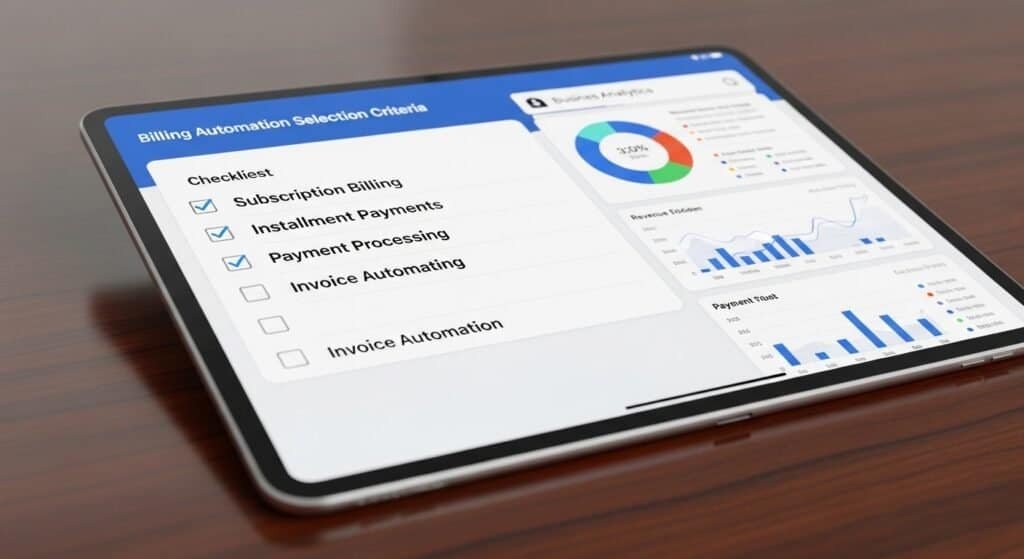
Before selecting a billing platform, a coach should answer the following questions clearly.
What billing models do I actually use?
Do you sell:
- one-time offers
- recurring subscriptions
- installment plans
- custom payment schedules
- hybrid models
If the answer is “all of the above,” the tool needs stronger flexibility.
How much manual billing work exists right now?
If billing admin is already consuming too much time, the priority should be workflow automation, not cosmetic features.
How important are subscriptions?
If subscriptions are a major revenue line, subscription billing quality matters more than general invoicing quality.
Do I need strong invoice workflows too?
Some coaches need both. They may auto-bill some clients while invoicing others. That changes the ideal platform.
What payment processors do my clients prefer?
Billing tools that do not fit payment preferences create conversion friction.
How much complexity can I actually manage?
Do not buy enterprise software for a simple business. Do not buy simple software for a complex business.
Will this still fit in 12 months?
The platform should support the next stage of growth, not just the current stage.
Final Recommendation
The right billing system depends on the type of coaching business being built.
If the business runs on recurring memberships or structured subscription offers, prioritize tools built for subscription billing strength.
If the business sells high-ticket offers through installment plans, prioritize installment logic and payment workflow reliability.
If the business still relies heavily on invoices and service-based billing, choose a platform with strong invoice automation and reminder workflows.
If the business is growing fast and billing complexity is increasing, the real goal is not just automation. The goal is operational stability.
AI automated billing tools for coaches are valuable because they turn a messy manual finance process into a repeatable system. They automate billing cycles, reduce human error, support installment payments, improve subscription flows, and lower administrative drag.
That gives the coach more time for delivery, sales, and business growth.
A good billing tool does not just collect payments. It protects operational efficiency.
And for a coaching business trying to scale, that matters a lot more than it seems.
FAQ
1. What are AI automated billing tools for coaches?
AI automated billing tools for coaches automate billing cycles, manage installment payments, handle subscription billing, and streamline client billing workflows.
2. How do automated billing tools reduce manual accounting?
These tools automatically generate invoices, schedule recurring billing, send payment reminders, and process payments without manual intervention.
3. Can automated billing software support installment payment plans?
Yes. Most billing automation platforms allow coaches to create structured installment payment schedules for programs and services.
4. Do automated billing tools support subscription billing?
Yes. Many platforms include subscription billing features such as recurring charges, renewals, and payment retry systems.
5. Why are automated billing systems important for coaching businesses?
They reduce administrative workload, improve payment consistency, and ensure billing processes operate smoothly as coaching businesses scale.
Disclaimer
The information provided in this article is for educational and informational purposes only. While we aim to keep content accurate and up to date, software features and availability may change over time. Some links on this page may be affiliate links, meaning we may earn a commission if you purchase through them at no additional cost to you. Always evaluate tools based on your specific business needs before making a decision.