5 Powerful AI Digital Course Analytics Software Tools
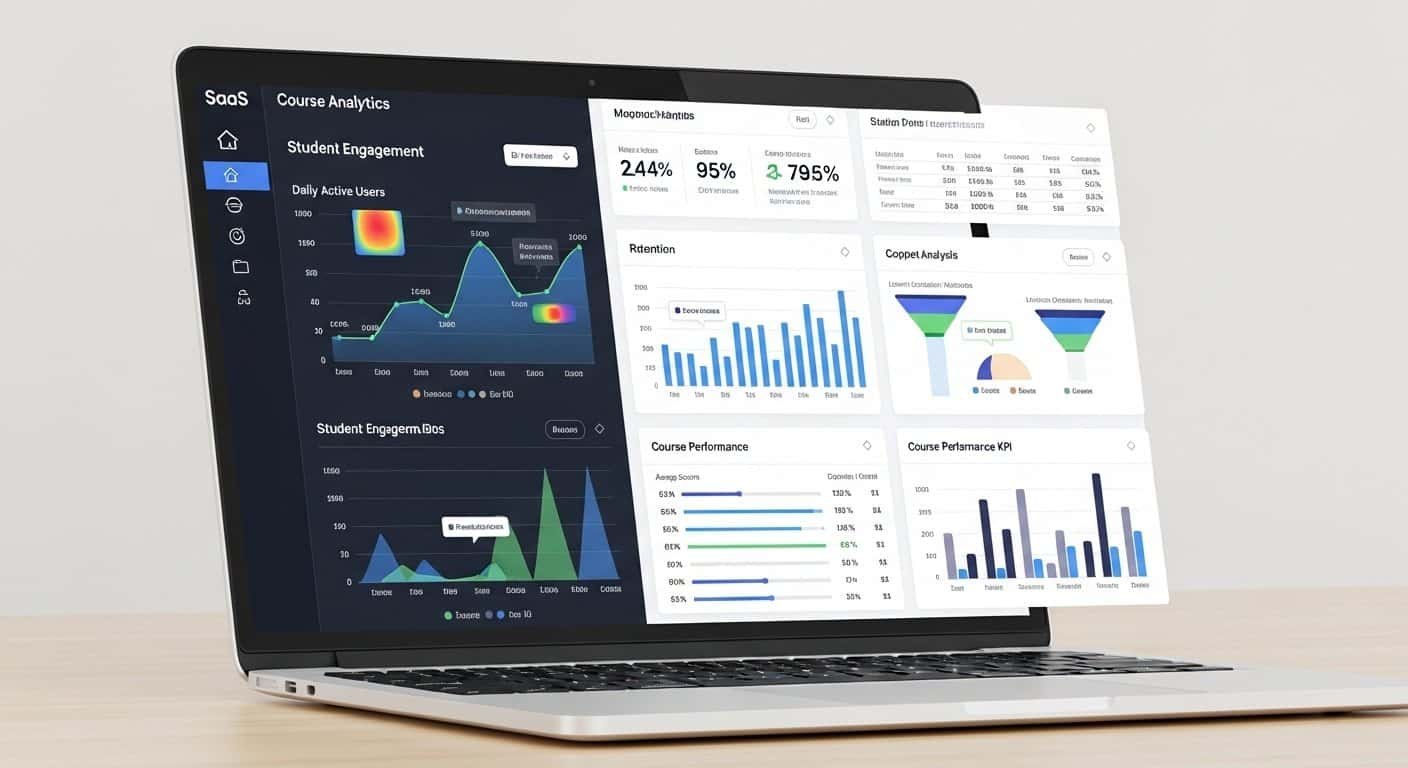
AI digital course analytics software helps educators, coaches, and consultants understand how students interact with their courses. These tools track engagement metrics, measure lesson completion rates, identify drop-off points, and provide insights that help improve course retention.
Many course creators invest significant time developing structured programs, recording lessons, and organizing educational materials. However, once the course is launched, it becomes difficult to understand how learners actually interact with the content.
Without proper analytics systems, course creators cannot easily determine which lessons perform well, where students lose interest, or how engagement patterns affect completion rates. This lack of visibility limits the ability to improve course performance over time.
AI-powered course analytics platforms address this challenge by providing structured insights into student behavior, engagement patterns, and completion metrics. Instead of relying on assumptions, course creators can analyze data to identify areas where courses need improvement.
For organizations building structured educational programs, analytics tools provide the visibility required to refine course content, increase engagement, and maintain consistent learning outcomes.
Businesses exploring broader technology ecosystems can also review AI tools for coaches and consultants to understand how analytics platforms fit into modern education and coaching infrastructures.
The Operational Challenge
Online courses have become a major component of digital education and consulting programs. However, creating a course is only the first step. Understanding how learners engage with course material is equally important.
Many course creators face operational challenges once their courses begin attracting students.
Limited Visibility Into Student Engagement
One of the biggest problems course creators encounter is the inability to track how students interact with their course content.
Without analytics tools, course creators often cannot answer key questions such as:
- Which lessons students spend the most time on
- Which modules receive the highest engagement
- Which sections students skip or abandon
Without this information, improving course content becomes difficult.
Difficulty Tracking Lesson Completion Rates
Lesson completion rates provide valuable insights into how effectively course material is structured.
If many students stop progressing after certain lessons, it may indicate:
- confusing material
- poor lesson structure
- lack of engagement
Without structured tracking systems, these patterns remain hidden.
Identifying Student Drop-Off Points
Many courses experience drop-off points where learners stop progressing through the program.
Common reasons include:
- content overload
- unclear instructions
- lack of motivation
Without analytics systems, course creators cannot easily identify the exact moment when learners disengage.
Improving Course Retention
Retention is one of the most important metrics for online education programs.
If students do not complete the course, the overall value of the program decreases.
Analytics tools help course creators identify areas where improvements are needed to increase retention.
Lack of Revenue Visibility
Courses often generate revenue through enrollment or access models. However, understanding which content contributes most to revenue growth requires data analysis.
Course creators benefit from understanding:
- which lessons attract engagement
- which modules encourage course completion
- how engagement patterns influence revenue outcomes
AI analytics platforms provide structured insights that help answer these questions.
How This Software Solves It
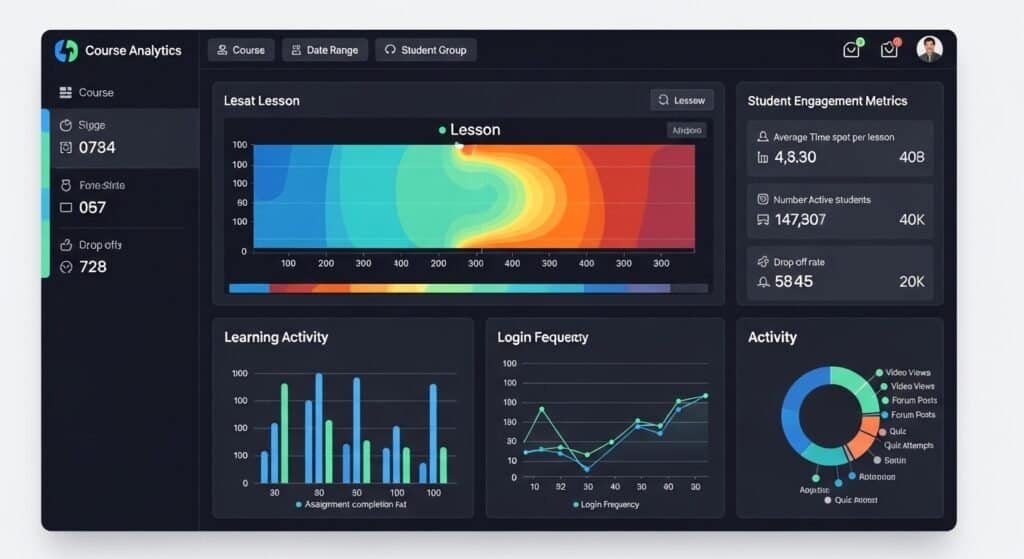
AI digital course analytics software provides structured data that allows course creators to evaluate course performance objectively.
Instead of relying on assumptions or feedback alone, analytics tools reveal how students interact with course material.
Measuring Student Engagement
Engagement tracking helps course creators understand how actively students interact with course content.
Analytics platforms monitor metrics such as:
- lesson views
- time spent on modules
- interaction with course materials
These insights help educators identify the most engaging parts of their course.
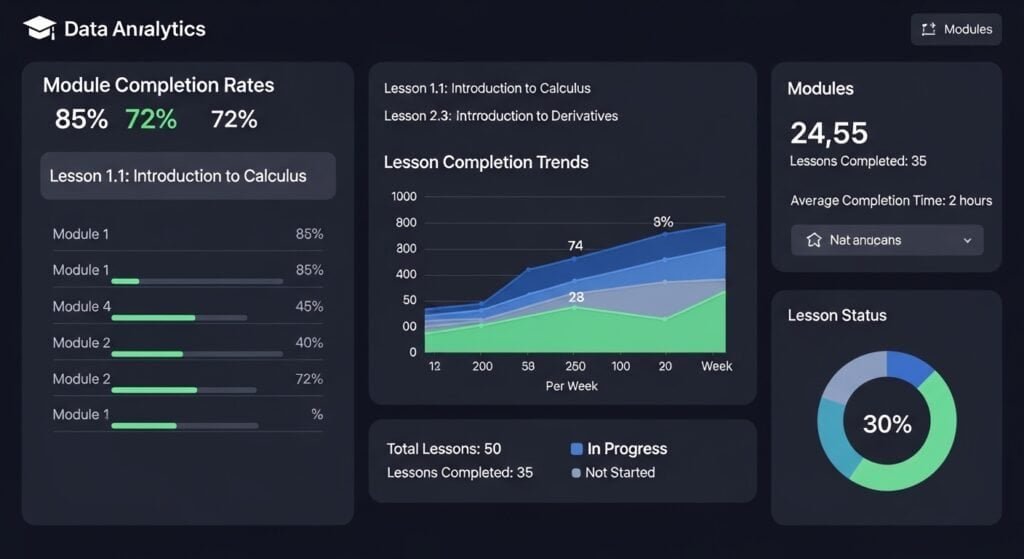
Tracking Completion Rates
Completion rate analytics show how many students finish specific lessons or entire programs.
Completion tracking helps course creators identify patterns in learner behavior.
For example:
- which lessons students complete quickly
- which modules cause delays
- which sections lead to disengagement
These insights support course improvement efforts.
Identifying Drop-Off Points
Drop-off analytics help course creators determine where learners stop progressing.
By analyzing these patterns, course creators can identify:
- difficult sections of the course
- areas where explanations may be unclear
- lessons that require restructuring
Improving these areas can significantly increase course retention.
Improving Course Retention
Analytics platforms allow course creators to measure how engagement affects course completion.
By analyzing student behavior data, course creators can redesign lessons that cause disengagement.
Higher retention rates typically indicate a stronger course structure.
Revenue Analytics for Courses
Some analytics tools also provide insights into how course engagement influences revenue.
For example:
- which lessons encourage continued enrollment
- which modules drive higher completion rates
- which content areas deliver the most value to students
Understanding these relationships helps course creators refine their programs.
Some organizations combine course analytics with ai coaching performance analytics software to analyze the effectiveness of coaching and educational programs together.
Core Capabilities
AI digital course analytics software provides several important capabilities that support course optimization.
Student Engagement Monitoring
Engagement monitoring tracks how learners interact with course materials.
Common engagement metrics include:
- lesson interaction rates
- video engagement
- module navigation patterns
These insights help identify the most effective educational content.
Lesson Completion Tracking
Completion tracking measures how many learners finish each lesson.
This capability allows course creators to identify patterns such as:
- lessons with strong engagement
- lessons where students stop progressing
Understanding completion patterns is essential for improving course structure.
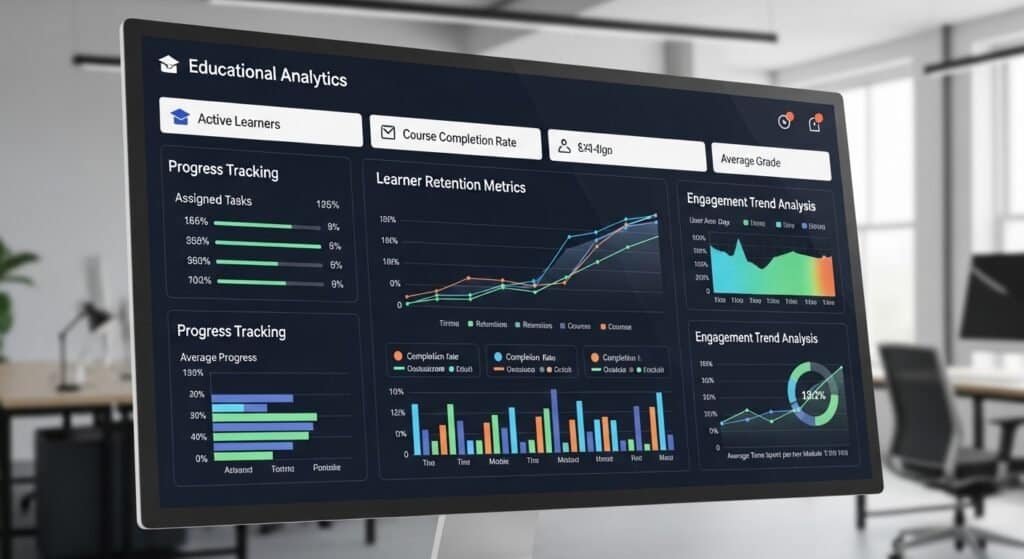
Progress Tracking
Progress tracking systems allow course creators to monitor learner advancement through the program.
This visibility helps educators understand how quickly students move through course material.
Retention Metrics
Retention analytics show how many learners remain active throughout the course.
Low retention rates may indicate structural issues within the program.
By analyzing retention metrics, course creators can improve course design.
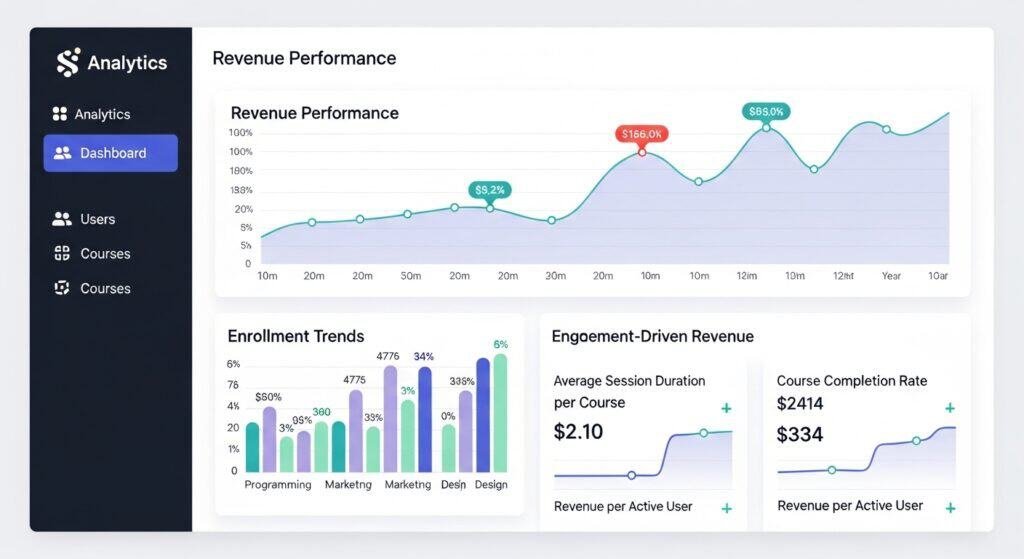
Revenue Performance Insights
Some platforms provide insights into how course engagement influences revenue outcomes.
For example, analytics may reveal which lessons drive course completion or increase program participation.
Course creators sometimes integrate analytics tools with ai course marketing automation tools to evaluate how marketing efforts influence course engagement.
Top Tools
Several platforms provide analytics capabilities designed for online course creators.
1. LearnDash Reporting Tools
LearnDash provides analytics features that help course creators track lesson completion and student engagement.
Key Features
- lesson completion tracking
- learner progress monitoring
- engagement reporting
Pros
- structured reporting tools
- detailed progress tracking
Cons
- requires integration with course platform
2. Thinkific Analytics
Thinkific includes built-in analytics dashboards that allow course creators to monitor student activity.
Key Features
- student engagement metrics
- course progress dashboards
- lesson completion tracking
Pros
- easy-to-understand reporting
- built-in analytics capabilities
Cons
- limited advanced data analysis features
3. Kajabi Analytics
Kajabi provides course performance insights through analytics dashboards.
Key Features
- engagement monitoring
- lesson interaction tracking
- course completion metrics
Pros
- integrated analytics environment
Cons
- advanced analytics may require higher plans
4. Mixpanel
Mixpanel allows course creators to track detailed user behavior patterns across learning platforms.
Key Features
- behavioral analytics
- event tracking
- engagement monitoring
Pros
- powerful analytics capabilities
Cons
- requires configuration
5. Amplitude
Amplitude provides advanced analytics capabilities that allow organizations to understand how users interact with digital products.
Key Features
- user behavior tracking
- retention analysis
- engagement insights
Pros
- detailed analytics capabilities
Cons
- may be complex for beginners
Implementation Considerations
Before implementing AI digital course analytics software, course creators should consider several factors.
Define Key Metrics
Course creators should determine which metrics are most important to track.
Common analytics metrics include:
- lesson completion rates
- student engagement levels
- retention rates
Clearly defining these metrics ensures analytics tools provide meaningful insights.
Monitor Course Performance Regularly
Analytics tools provide valuable data, but their effectiveness depends on consistent monitoring.
Course creators should review analytics dashboards regularly to identify patterns.
Improve Content Based on Data
Analytics insights should guide course improvements.
For example:
- lessons with low engagement may require restructuring
- modules with high completion rates may indicate effective content
Using analytics data to refine course content helps improve overall performance.
Pricing Expectations
Pricing for AI digital course analytics software varies depending on platform complexity.
Entry-Level Tools
Basic analytics tools typically cost between $20 and $50 per month.
These tools provide essential engagement tracking and completion metrics.
Mid-Tier Platforms
More advanced analytics platforms typically range between $50 and $150 per month.
These platforms provide deeper behavioral insights and reporting capabilities.
Advanced Analytics Systems
Enterprise-level analytics platforms may cost $150 or more per month, depending on the complexity of data analysis features.
Choosing the right platform depends on the size of the course program and the depth of analytics required.
Final Thoughts
AI digital course analytics software provides valuable insights into how students interact with educational programs.
Without analytics tools, course creators rely on assumptions to evaluate course performance. However, AI-powered analytics platforms provide structured data that reveals how learners engage with content, which lessons drive completion, and where improvements are needed.
By monitoring engagement metrics, tracking completion rates, and identifying drop-off points, course creators can refine their programs and improve learning outcomes.
For consultants, coaches, and educators delivering digital courses, analytics platforms provide the visibility required to optimize course performance and maintain strong learner engagement.
FAQ
1. What is AI digital course analytics software?
AI digital course analytics software helps educators track student engagement, measure lesson completion rates, analyze retention metrics, and evaluate overall course performance.
2. Why do course creators need analytics tools?
Analytics tools help course creators understand how students interact with lessons, identify drop-off points, and improve course structure based on real engagement data.
3. What metrics should course creators track?
Important metrics include student engagement levels, lesson completion rates, retention metrics, learner progress tracking, and course revenue performance.
4. How does analytics improve course retention?
Analytics platforms reveal where students disengage, allowing course creators to restructure lessons, simplify complex sections, and improve the learning experience.
5. Can course analytics tools track student progress?
Yes. Most platforms provide dashboards that track learner progress across modules, helping educators understand how students move through the course.
Disclaimer
The information provided in this article is for educational and informational purposes only. While we aim to keep content accurate and up to date, software features and availability may change over time. Some links on this page may be affiliate links, meaning we may earn a commission if you purchase through them at no additional cost to you. Always evaluate tools based on your specific business needs before making a decision.