5 Powerful AI Coaching Revenue Tracking Software Tools
AI coaching revenue tracking software helps coaching businesses monitor income, evaluate offer performance, analyze revenue by client type, and maintain financial clarity as they scale. Instead of relying on spreadsheets or scattered financial records, coaches can use AI-powered dashboards to visualize revenue trends, identify profitable programs, and understand how different clients contribute to overall business growth.
For many coaching businesses, revenue management becomes more complicated as the number of clients, programs, and offers increases. A single coaching business may generate income from multiple sources such as private coaching packages, group programs, workshops, digital courses, and membership subscriptions.
Without a structured tracking system, answering key financial questions becomes difficult, including:
- Which coaching offers generate the most revenue
- Which client segments contribute the highest lifetime value
- Which programs are underperforming
- How revenue changes across months or quarters
AI-powered revenue tracking tools solve this challenge by organizing financial data into structured dashboards that provide clear insights into business performance.
Instead of manually compiling financial reports, coaches can view revenue metrics, offer performance data, and client income breakdowns in one centralized system.
Many of these platforms also integrate with broader tools used across modern coaching operations. Businesses exploring the full ecosystem of automation platforms can review AI tools for coaches and consultants to understand how revenue analytics connects with CRM systems, client management tools, and payment automation platforms.
For coaches aiming to scale their businesses strategically, revenue tracking software provides the financial clarity needed to make informed decisions and optimize income growth.
Core Features of This Software
AI coaching revenue tracking software includes several core capabilities that help coaches understand and manage financial performance.
These features provide visibility into income streams, client value, and overall business profitability.
Revenue Dashboards
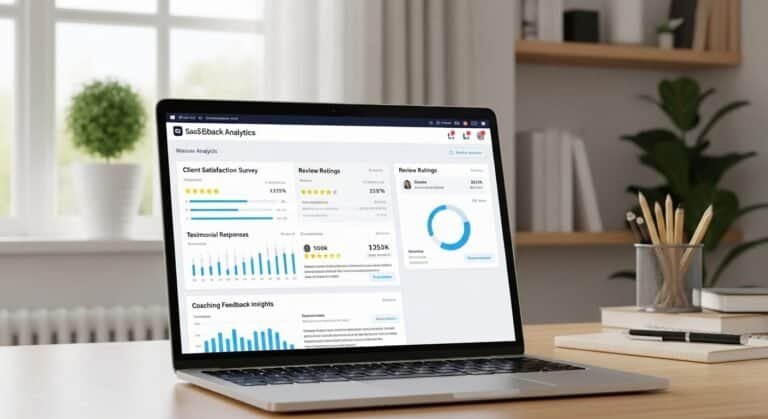
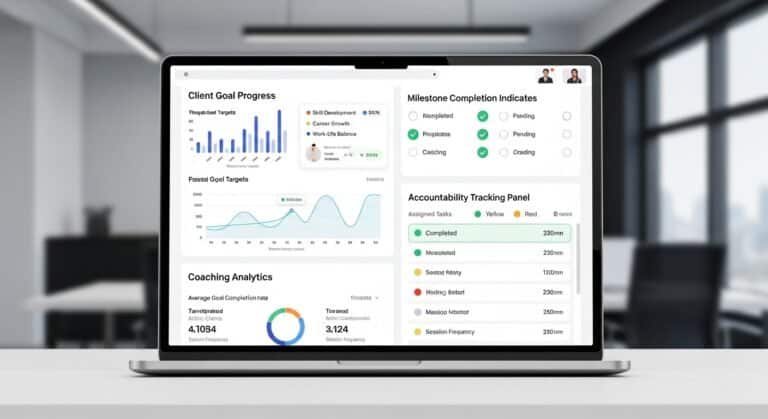
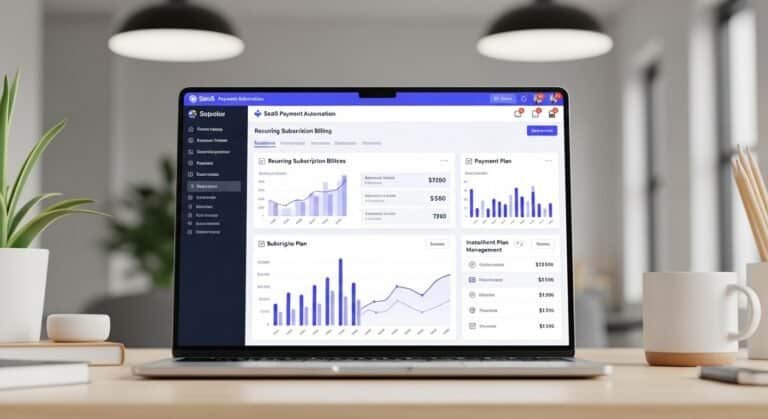
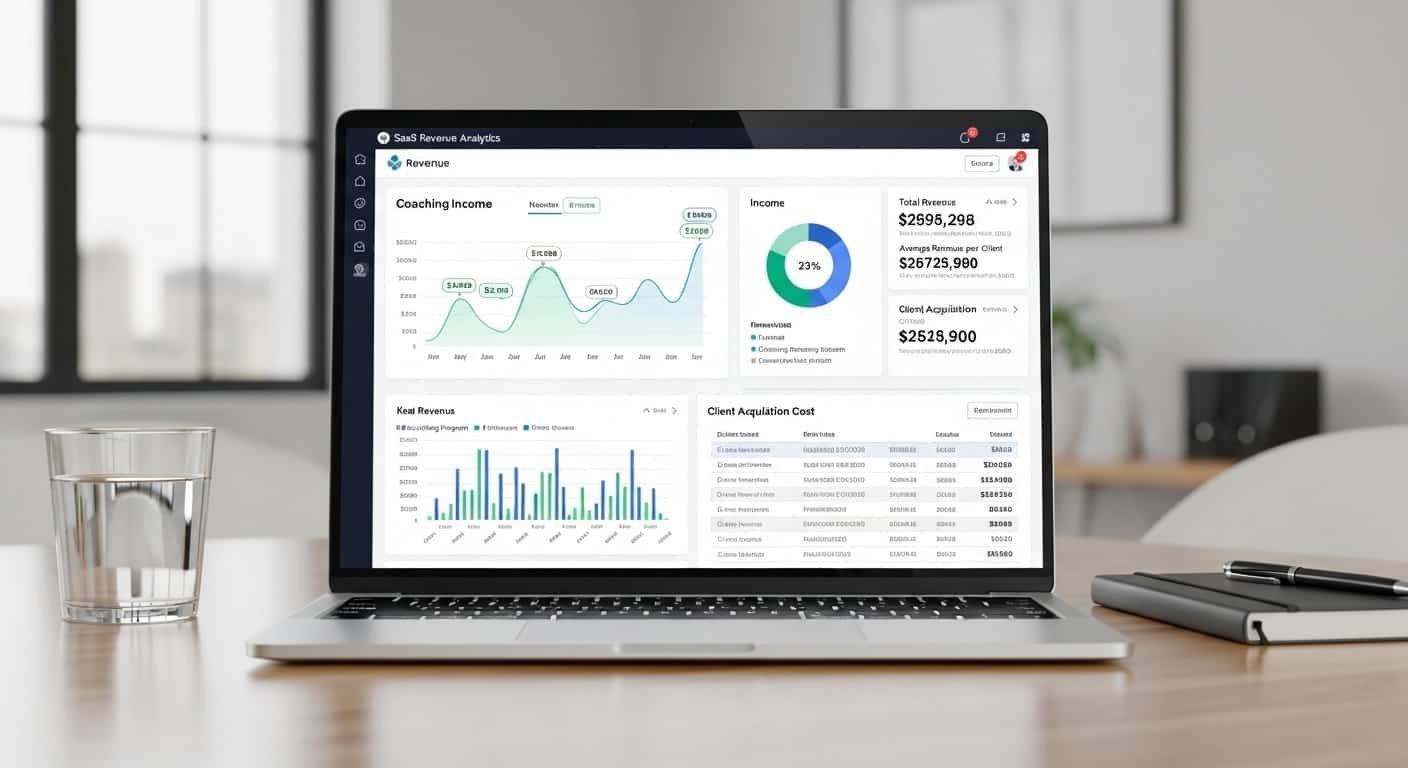
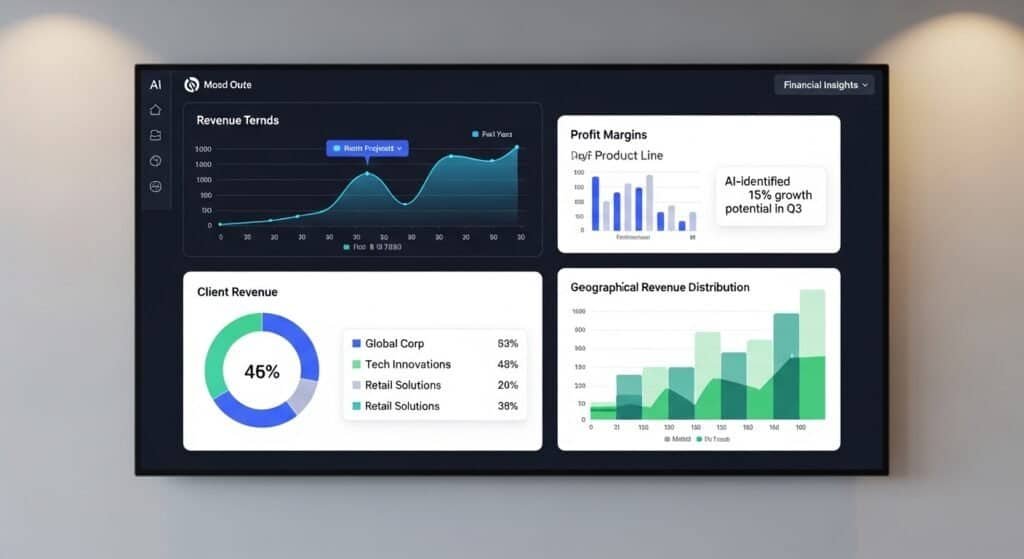
Revenue dashboards provide a visual overview of the coaching business’s financial performance.
Instead of reviewing individual transaction records, coaches can view summarized financial metrics through interactive dashboards.
Typical revenue dashboard insights include:
- total revenue generated within a time period
- revenue trends over time
- revenue distribution across coaching offers
These dashboards provide instant visibility into financial performance.
Revenue dashboards also help identify patterns in income growth, allowing coaches to monitor whether revenue is increasing, stable, or declining.
Income Reports
Income reporting features generate structured financial reports that summarize coaching revenue.
These reports help coaches understand how revenue is generated across different offers and clients.
Typical income reports include:
- monthly revenue reports
- quarterly financial summaries
- revenue breakdown by offer
Automated reporting removes the need for manual financial analysis and provides consistent reporting structures.
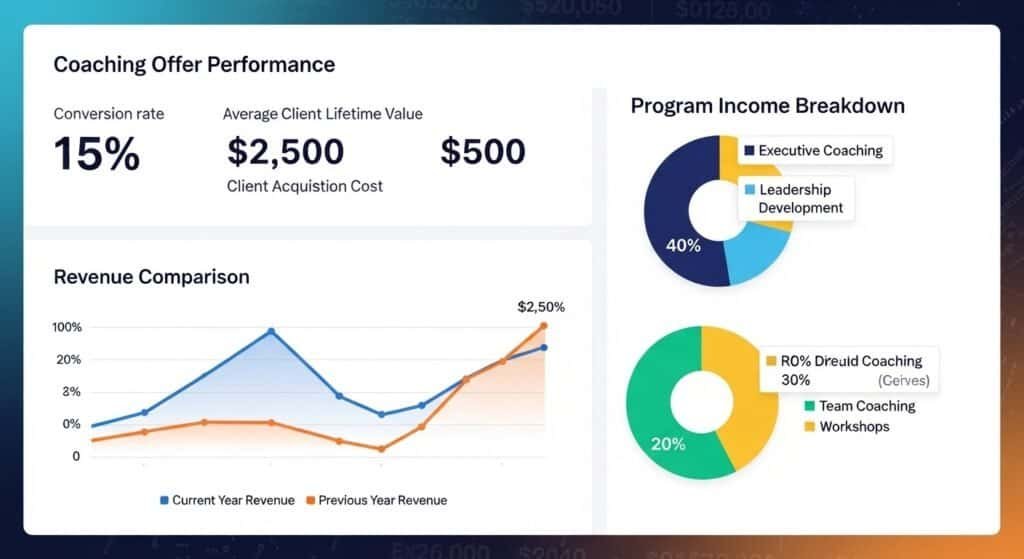
Offer-Level Performance Tracking
Many coaching businesses operate multiple offers simultaneously.
Examples may include:
- one-on-one coaching packages
- group coaching programs
- online courses
- consulting retainers
Offer-level performance tracking allows coaches to analyze how each offer contributes to total revenue.
This capability helps identify:
- the most profitable coaching programs
- offers that generate consistent revenue
- underperforming services
Understanding offer performance allows coaches to allocate resources more effectively.
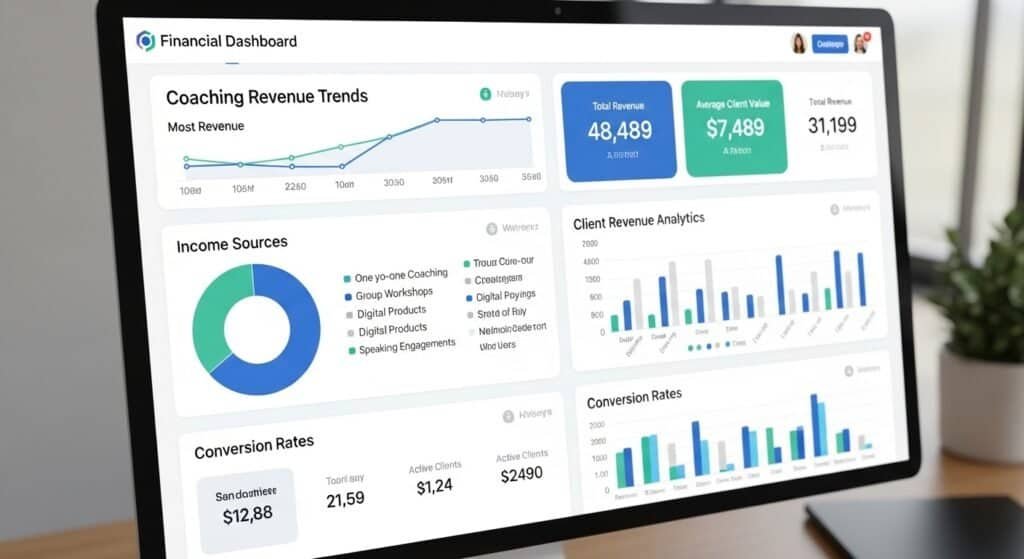
Client Revenue Analysis
Revenue tracking software also helps coaches understand how individual clients contribute to business revenue.
Client revenue analysis includes metrics such as:
- total revenue generated by each client
- average client value
- repeat purchase behavior
These insights help coaches identify high-value client segments and understand which clients generate the most long-term revenue.
Financial Analytics
AI-powered financial analytics provide deeper insights into coaching revenue.
These analytics help coaches identify financial trends and forecast potential growth opportunities.
Examples of financial analytics include:
- revenue growth trends
- average program value
- revenue distribution by client type
Financial analytics provide the data necessary for strategic business planning.
Advanced Capabilities Businesses Need
While basic revenue tracking provides visibility into income data, advanced capabilities allow coaching businesses to analyze financial performance at a deeper level.
These capabilities become particularly important as coaching businesses scale.
Automated Financial Data Aggregation
Many coaching businesses generate revenue from multiple platforms.
For example, revenue may originate from:
- payment processing platforms
- online course platforms
- membership systems
- consulting invoices
Automated data aggregation consolidates revenue data from these platforms into a single financial dashboard.
This eliminates the need to manually compile financial data across systems.
Revenue Trend Analysis
Revenue tracking tools often include trend analysis capabilities that help coaches monitor financial patterns over time.
Trend analysis allows coaches to identify:
- seasonal revenue fluctuations
- long-term revenue growth patterns
- declining income segments
Understanding revenue trends helps coaches plan marketing strategies and product launches more effectively.
Client Segmentation by Revenue
Advanced systems allow coaches to segment clients according to revenue contribution.
For example, revenue segmentation may include:
- high-value clients
- repeat customers
- low-ticket buyers
Segmentation helps coaches tailor offers and services according to client value.
Some businesses combine revenue analytics with tools such as AI client segmentation tools for consultants to better understand how different client segments interact with coaching offers.
Offer Profitability Analysis
Not all coaching offers generate equal profit.
Revenue tracking software allows coaches to evaluate which offers generate the highest financial return.
Offer profitability analysis helps identify:
- high-performing programs
- offers with declining demand
- opportunities to optimize pricing
Understanding profitability ensures coaching businesses focus on the most valuable offers.
Financial Forecasting
Some advanced systems provide forecasting capabilities that estimate future revenue based on current performance trends.
Forecasting helps coaching businesses:
- plan program launches
- allocate marketing budgets
- estimate revenue growth potential
These forecasts help coaches make more strategic business decisions.
Tool Comparison Table
Below is a simplified comparison of several platforms that provide revenue tracking capabilities relevant to coaching businesses.
| Tool | Best For | Key Capabilities | Starting Price |
|---|---|---|---|
| HubSpot | Coaches using CRM systems | Revenue dashboards, financial analytics | Free plan available |
| Stripe Analytics | Payment-based revenue tracking | Income reports, financial dashboards | Transaction-based |
| Zoho Analytics | Data-driven financial insights | revenue dashboards, reporting tools | ~$24/month |
| Baremetrics | subscription and revenue analytics | financial dashboards, forecasting | ~$108/month |
| ChartMogul | advanced revenue analytics | revenue insights, growth tracking | ~$100/month |
These platforms provide various levels of financial visibility depending on the complexity of the coaching business.
Best Tools for Each Feature
Different tools excel in specific aspects of revenue tracking.
Understanding these strengths helps coaching businesses choose tools that match their financial management needs.
1. Best Tool for Revenue Dashboards
Zoho Analytics offers strong dashboard visualization capabilities that allow coaches to monitor revenue trends and income metrics.
The platform provides customizable dashboards that display financial data in a clear format.
2. Best Tool for Payment-Based Revenue Tracking
Stripe Analytics is useful for coaching businesses that process payments through Stripe.
The platform automatically tracks transaction revenue and generates financial summaries.
3. Best Tool for Subscription Revenue Analysis
Baremetrics provides advanced revenue analytics for subscription-based coaching programs.
The platform includes revenue dashboards and financial forecasting features.
4. Best Tool for Growth Insights
ChartMogul focuses on analyzing business growth through revenue data.
The platform provides insights into financial trends and recurring revenue performance.
5. Best Tool for CRM-Integrated Revenue Tracking
HubSpot integrates revenue tracking with CRM systems, allowing coaches to connect financial performance with client data.
This integration helps coaches understand how client relationships influence revenue growth.
Integration Capabilities
AI coaching revenue tracking software becomes far more powerful when integrated with the operational systems used in a coaching business. Revenue data rarely exists in isolation. Instead, financial insights must connect with client management tools, payment platforms, and sales tracking systems.
When revenue tracking software integrates with these systems, coaches gain a more accurate understanding of how different parts of their business contribute to income.
Below are the most important integrations coaching businesses should consider.
Payment Platform Integration
Most coaching businesses collect payments through platforms such as Stripe, PayPal, or other payment processors.
Revenue tracking software often integrates directly with these systems to automatically capture transaction data.
This integration allows coaches to track:
- total income from payments
- revenue generated per coaching program
- payment frequency patterns
- client purchase history
By connecting revenue dashboards with payment processors, financial data remains accurate without requiring manual entry.
CRM Integration
Customer relationship management systems store important client data, including communication history, program participation, and client relationships.
When revenue tracking software integrates with CRM platforms, coaches can link financial metrics to specific clients.
This allows businesses to analyze:
- which clients generate the highest revenue
- which client segments purchase premium programs
- which coaching relationships produce recurring revenue
Many coaching businesses combine revenue tracking tools with platforms discussed in , including CRM systems designed specifically for coaching businesses.
Sales Pipeline Integration
Revenue tracking tools often integrate with deal management systems.
When connected with systems like AI sales pipeline tracking software for consultants, coaches can monitor how potential deals convert into revenue.
Pipeline integration allows businesses to track:
- revenue generated from closed deals
- conversion performance of consulting proposals
- financial outcomes of sales opportunities
This connection between pipeline and revenue data improves financial visibility.
Subscription Management Integration
Many coaching businesses generate recurring revenue through subscription programs or membership communities.
When revenue tracking software integrates with ai coaching subscription management software, coaches gain visibility into recurring income streams.
These integrations allow coaches to track:
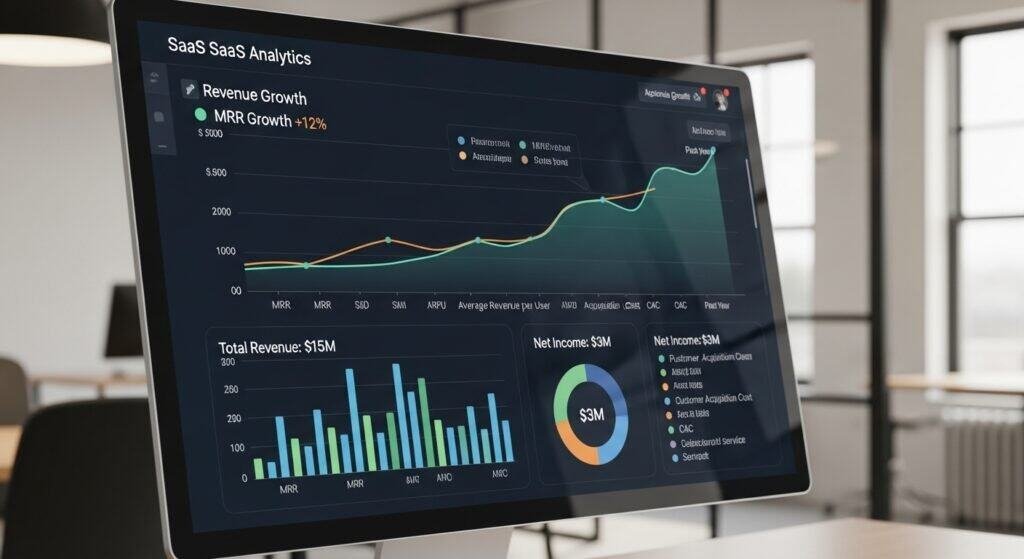
- monthly recurring revenue
- renewal patterns
- subscription growth trends
Subscription integration helps coaching businesses understand the stability of recurring income.
Data Export and Reporting Integration
Revenue analytics tools often provide reporting integrations that allow financial data to be exported into accounting or financial analysis platforms.
This allows coaches to generate detailed reports used for:
- financial planning
- accounting processes
- strategic business decisions
Reporting integrations ensure revenue data can be used across multiple financial systems.
Pricing Structure
Pricing for AI coaching revenue tracking software varies depending on platform complexity, data volume, and advanced analytics capabilities.
Understanding pricing models helps coaching businesses select tools that match their current stage of growth.
Entry-Level Revenue Tracking Tools
Entry-level platforms typically focus on basic revenue dashboards and income reporting.
These tools generally cost between:
$10 – $30 per month
Typical capabilities include:
- basic revenue dashboards
- income reports
- simple financial analytics
Entry-level tools are often sufficient for independent coaches managing a limited number of programs.
Mid-Tier Revenue Analytics Platforms
Mid-tier platforms provide more advanced financial insights and integration capabilities.
These tools generally cost between:
$30 – $100 per month
Features often include:
- advanced financial dashboards
- offer performance tracking
- client revenue segmentation
- automated financial reports
Growing coaching businesses often adopt mid-tier platforms as revenue sources expand.
Advanced Revenue Intelligence Platforms
Advanced analytics systems provide deeper insights into financial performance.
These platforms typically cost:
$100+ per month
Advanced capabilities may include:
- revenue forecasting
- automated data aggregation
- financial trend analysis
- enterprise-level reporting
Larger coaching businesses that operate multiple programs often require these advanced tools.
Decision Guidance
Choosing the right AI coaching revenue tracking software depends on the specific financial needs of the coaching business.
Below are several factors that help determine which solution may be most appropriate.
Business Complexity
Coaches with a single program and a small client base may only require simple revenue dashboards.
However, coaching businesses with multiple programs, payment models, and client segments benefit from more advanced analytics systems.
Number of Revenue Streams
Businesses generating income from several sources may require platforms capable of aggregating financial data.
Revenue streams may include:
- coaching packages
- group programs
- digital products
- memberships
Tracking revenue across these streams requires structured financial reporting.
Data Visualization Needs
Some coaches prefer simple financial summaries, while others require advanced dashboards that visualize revenue trends.
If strategic planning is important, advanced financial dashboards provide deeper insights.
Integration Requirements
Revenue tracking tools should integrate smoothly with existing systems used in the coaching business.
Important integrations may include:
- payment processors
- CRM platforms
- subscription systems
- analytics platforms
Tools that integrate effectively with operational systems reduce manual work.
Long-Term Scalability
Revenue tracking systems should support business growth.
As coaching businesses expand their programs and client base, financial data becomes more complex.
Selecting a scalable platform ensures the software remains useful as revenue increases.
Final Recommendation
AI coaching revenue tracking software provides essential financial clarity for coaching businesses.
Without structured financial tracking systems, coaches often struggle to understand which programs generate the most income and which services require improvement.
Revenue dashboards, income reports, and offer performance tracking provide clear insights into financial performance.
These insights help coaching businesses:
- identify profitable programs
- understand client revenue contribution
- make informed business decisions
- scale coaching operations strategically
For coaches aiming to build sustainable businesses, implementing revenue tracking software is a critical step toward achieving financial transparency and long-term growth.
FAQ
1. What is AI coaching revenue tracking software?
AI coaching revenue tracking software helps coaching businesses monitor income, analyze offer performance, and visualize financial data through revenue dashboards.
2. Why do coaches need revenue tracking tools?
Revenue tracking tools provide financial clarity, helping coaches understand which programs generate the most income and where growth opportunities exist.
3. Can revenue tracking software analyze client value?
Yes. Many platforms provide client revenue insights that show which clients generate the highest lifetime value.
4. What metrics should coaches track in revenue analytics?
Important metrics include total revenue, income by offer, revenue by client type, and financial growth trends.
5. Is revenue tracking software necessary for small coaching businesses?
Even small coaching businesses benefit from structured revenue tracking because it helps identify profitable programs and maintain financial visibility.
Disclaimer
The information provided in this article is for educational and informational purposes only. While we aim to keep content accurate and up to date, software features and availability may change over time. Some links on this page may be affiliate links, meaning we may earn a commission if you purchase through them at no additional cost to you. Always evaluate tools based on your specific business needs before making a decision.