7 Powerful AI Feedback Collection Tools for Coaches
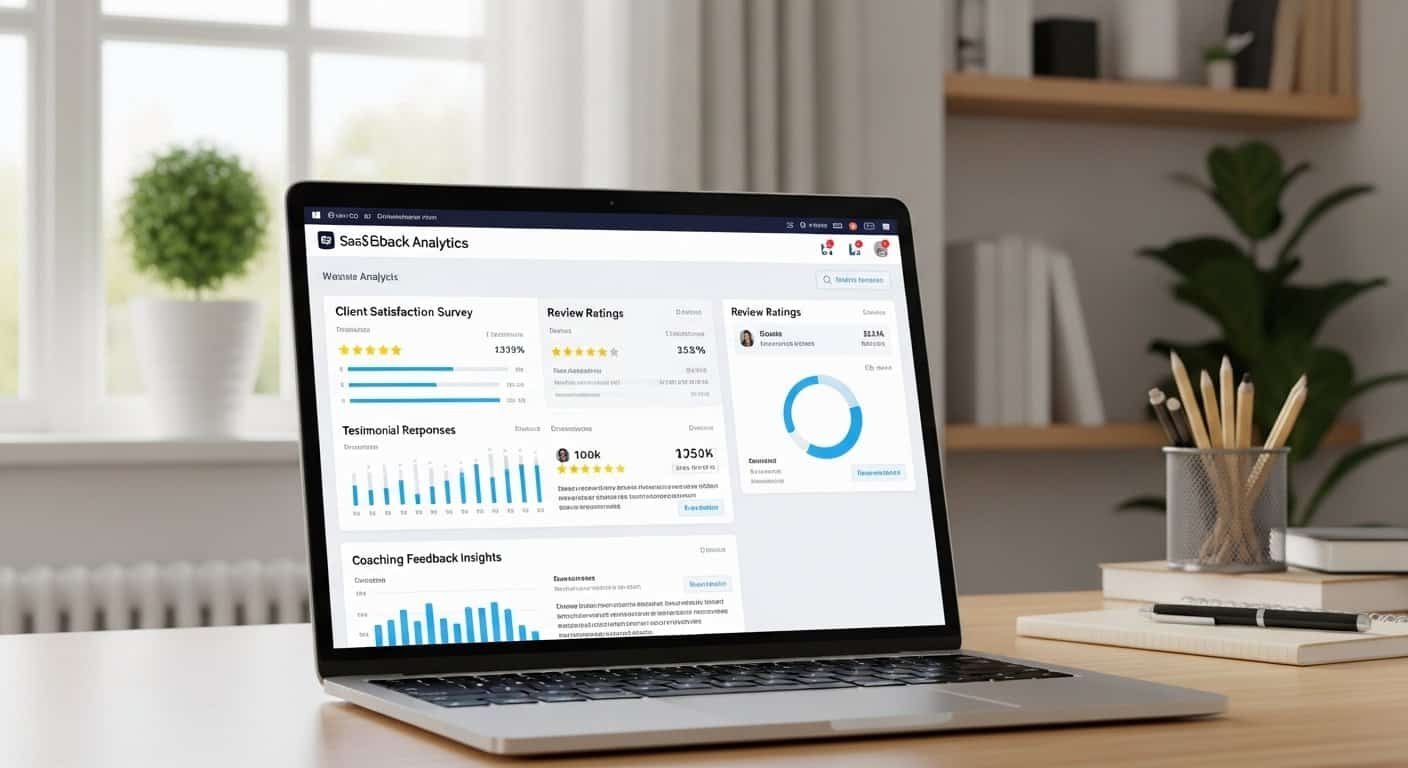
AI feedback collection tools for coaches help coaching businesses gather structured client feedback, automate review requests, collect testimonials, and measure client satisfaction more efficiently. These tools allow coaches to design surveys, monitor feedback trends, and understand how clients experience coaching programs over time.
In modern coaching businesses, feedback plays an essential role in improving service quality and strengthening client relationships. Coaches often rely on feedback to refine their program structure, improve session delivery, and identify opportunities for better client outcomes.
However, collecting feedback manually is rarely consistent. Clients may forget to provide reviews, survey requests may be sent irregularly, and important insights can be lost across emails or private messages. Over time, this lack of structured feedback prevents coaches from understanding how their services truly impact clients.
AI-powered feedback platforms address this problem by creating automated systems that collect responses at key moments in the coaching journey. Instead of manually requesting feedback after sessions or programs, coaches can implement automated workflows that gather client insights consistently.
These tools allow coaching businesses to track satisfaction levels, identify recurring patterns in feedback, and improve overall service delivery.
Many coaches combine feedback systems with broader infrastructure tools found within AI tools for coaches and consultants, which include onboarding software, progress tracking systems, and client management platforms.
For coaching businesses that want to improve their services systematically, feedback collection tools provide a structured method for understanding client experiences.
Different Business Use Cases
AI feedback collection tools for coaches support several use cases depending on how coaching services are delivered and how feedback is used.
Some coaches focus primarily on collecting testimonials, while others prioritize structured surveys or satisfaction analytics.
Understanding these different use cases helps coaching businesses choose the right platform for their feedback strategy.
Program Satisfaction Surveys
One of the most common uses of AI feedback collection tools for coaches is collecting satisfaction surveys from clients who complete coaching programs.
These surveys allow coaches to measure how clients perceive different aspects of their experience, including:
- session quality
- coaching communication
- program structure
- perceived value of services
Structured surveys provide consistent feedback that can be analyzed across multiple clients.
Over time, survey responses reveal patterns that help coaches understand what aspects of their programs work well and where improvements may be needed.
Testimonial Collection
Testimonials play an important role in demonstrating the value of coaching services.
Positive testimonials can strengthen credibility and help potential clients understand how coaching programs create results.
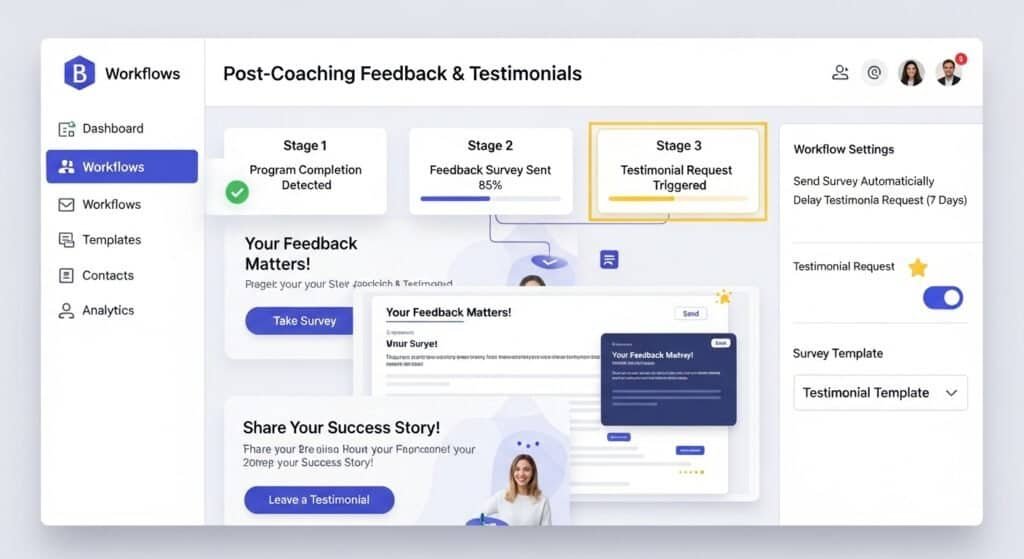
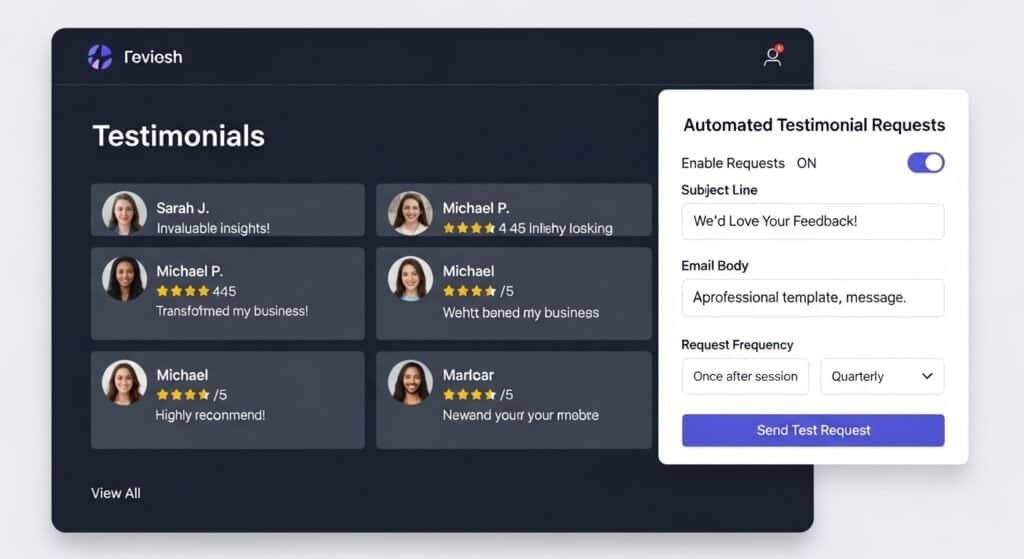
Feedback platforms allow coaches to collect testimonials automatically by sending review requests when clients complete programs or reach specific milestones.
Some coaching businesses use ai testimonial automation tools to streamline this process and organize testimonials more efficiently.
By collecting testimonials systematically, coaches can build a library of authentic client feedback that supports their brand reputation.
Client Satisfaction Tracking
Beyond individual testimonials, many coaching businesses want to measure overall satisfaction levels across their client base.
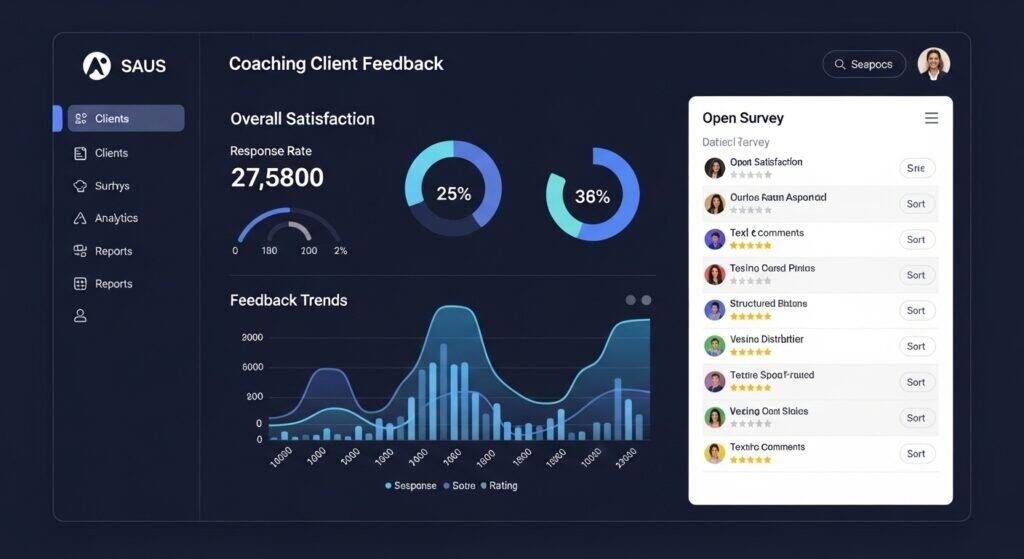
Feedback collection tools help coaches monitor satisfaction scores and track how client sentiment changes over time.
For example, coaches may monitor satisfaction scores related to:
- coaching session effectiveness
- program outcomes
- overall client experience
These metrics help coaches evaluate whether their programs continue to deliver value as their businesses grow.
Service Improvement Insights
Another important use case for feedback tools is identifying opportunities to improve coaching services.
Client responses often reveal insights about:
- which parts of a coaching program deliver the most value
- where clients encounter challenges
- which sessions create the strongest impact
By analyzing these insights, coaches can refine their program structure and enhance client experiences.
Automated Feedback Requests
Manual feedback collection often results in inconsistent response rates.
AI feedback platforms solve this problem by automating feedback requests based on triggers such as:
- completion of a coaching session
- program milestones
- end-of-program reviews
Automation ensures feedback is collected consistently without requiring additional administrative effort.
Tools for Solo Operators
Solo coaches often prefer feedback platforms that are easy to implement and require minimal setup.
These tools provide simple survey systems that allow independent coaches to collect feedback without complex technical infrastructure.
1. Typeform
Typeform is widely used for creating interactive feedback surveys.
Its conversational interface allows coaches to design engaging questionnaires that encourage clients to complete surveys.
Key Features
- interactive feedback forms
- customizable survey templates
- response dashboards
Pros
- visually engaging surveys
- flexible form design
Cons
- advanced analytics may require paid plans
2. Tally
Tally provides a simple and lightweight feedback collection platform that is particularly useful for solo professionals.
The platform allows coaches to create surveys quickly and collect responses through easy-to-share forms.
Key Features
- form builder interface
- response tracking
- customizable surveys
Pros
- simple setup
- easy to use
Cons
- limited advanced analytics
3. Google Forms
Google Forms remains one of the most accessible tools for collecting structured feedback.
Many coaches use it to gather client responses through simple questionnaires.
Key Features
- customizable forms
- spreadsheet response storage
- easy sharing options
Pros
- free platform
- reliable infrastructure
Cons
- limited analytics tools
Tools for Growing Teams
As coaching businesses expand, feedback systems must support more advanced analysis and collaboration features.
These platforms allow coaching teams to track feedback across multiple programs and clients.
1. SurveyMonkey
SurveyMonkey offers advanced survey design capabilities combined with analytics tools that allow coaching businesses to analyze large volumes of feedback.
Key Features
- customizable surveys
- analytics dashboards
- response segmentation
Pros
- powerful analytics capabilities
- flexible survey design
Cons
- premium plans required for advanced features
2. Typeform Enterprise
Enterprise versions of feedback platforms provide additional features designed for larger organizations.
These systems allow coaching businesses to analyze feedback across multiple programs simultaneously.
Key Features
- team collaboration tools
- survey analytics dashboards
- large-scale feedback collection
Tools for Agencies
Coaching agencies managing multiple coaches or programs require more advanced feedback systems that support large client bases.
These platforms provide enterprise-level feedback analytics.
1. Qualtrics
Qualtrics is widely recognized for advanced experience management and feedback analytics.
The platform allows organizations to gather feedback from multiple touchpoints and analyze complex datasets.
Key Features
- advanced feedback analytics
- experience management tools
- large-scale survey deployment
Pros
- comprehensive analytics capabilities
Cons
- higher pricing tiers
2. Delighted
Delighted specializes in satisfaction tracking and customer experience analytics.
The platform helps businesses monitor satisfaction levels and identify trends in client sentiment.
Key Features
- satisfaction score tracking
- automated survey delivery
- analytics dashboards
Pros
- strong satisfaction monitoring
Cons
- fewer customization options
Feature Overview
AI feedback collection tools for coaches offer several key capabilities that help coaching businesses gather and analyze client feedback effectively.
Survey Creation
Survey creation tools allow coaches to design structured questionnaires that gather client insights.
Surveys can include multiple question types such as:
- rating scales
- open-ended responses
- satisfaction scores
These surveys provide structured feedback data that helps coaches evaluate their services.
Automated Review Requests
Automation features allow coaches to send review requests automatically.
For example, feedback requests may be triggered when:
- a client completes a program
- a milestone is reached
- a coaching engagement ends
Automation ensures feedback collection becomes a consistent part of the coaching workflow.
Client Satisfaction Monitoring
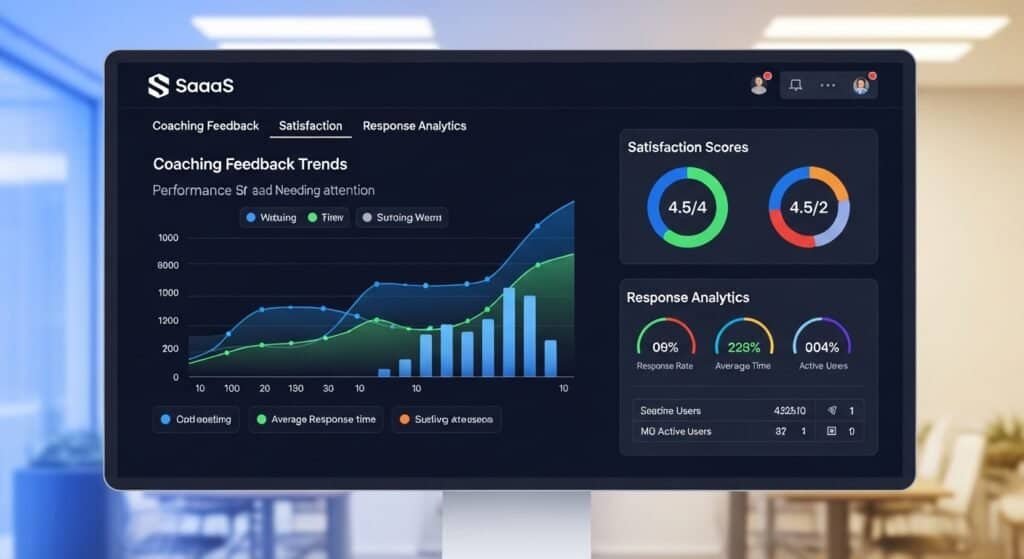
Satisfaction monitoring tools help coaches track how clients perceive their services over time.
By analyzing satisfaction patterns, coaches can identify trends that influence client retention.
Feedback Analytics
Feedback analytics platforms help coaching businesses analyze survey results and identify patterns in client responses.
These insights help coaches improve their programs and refine service delivery.
Some organizations also combine feedback insights with ai coaching performance analytics software to analyze coaching outcomes alongside satisfaction metrics.
Pricing Differences
Pricing for AI feedback collection tools for coaches varies depending on platform capabilities.
Entry-Level Platforms
Basic feedback tools typically range between $0 and $20 per month.
These platforms provide simple survey creation and response tracking features.
Mid-Tier Platforms
More advanced feedback systems generally range between $20 and $60 per month.
These tools provide automation features and analytics dashboards.
Advanced Platforms
Enterprise-level feedback platforms may cost $100 or more per month, depending on advanced analytics capabilities and usage levels.
These platforms are designed for organizations managing large volumes of feedback data.
Choosing the Right Platform
Selecting the right AI feedback collection tools for coaches requires evaluating several important factors.
Feedback Goals
Coaches should determine whether their primary goal is collecting testimonials, monitoring satisfaction, or gathering structured insights.
Choosing the right platform depends on these objectives.
Automation Features
Automation capabilities help ensure feedback is collected consistently.
Platforms that support automated survey delivery reduce administrative workload.
Analytics Capabilities
Advanced analytics tools provide deeper insights into client experiences.
These insights help coaches improve service delivery.
Scalability
As coaching businesses grow, feedback platforms should support increasing numbers of clients.
Choosing scalable platforms prevents the need for frequent system changes.
Final Thoughts
AI feedback collection tools for coaches provide structured systems that allow coaching businesses to gather meaningful insights from their clients.
Without structured feedback systems, understanding client experiences becomes difficult. Informal feedback rarely provides consistent insights that can guide service improvements.
Feedback platforms solve this problem by automating survey delivery, organizing responses, and analyzing satisfaction trends.
These systems help coaching businesses collect testimonials, monitor client satisfaction, and improve their programs based on real client insights.
For coaches seeking to refine their services and strengthen client relationships, implementing feedback collection tools provides a systematic way to understand how clients experience coaching programs.
FAQ
1. What are AI feedback collection tools for coaches?
AI feedback collection tools for coaches help gather structured feedback from clients through surveys, review requests, and satisfaction tracking systems.
2. Why is feedback important for coaching businesses?
Feedback helps coaches understand client experiences and identify opportunities to improve coaching programs.
3. How do coaching businesses collect testimonials?
Many coaching businesses automate testimonial requests after clients complete coaching programs or reach milestones.
4. Can feedback tools improve coaching results?
Yes. Structured feedback provides insights that help coaches refine their programs and improve client experiences.
5. What features should feedback collection tools include?
Important features include survey creation, automated feedback requests, satisfaction tracking, and feedback analytics dashboards.
Disclaimer
The information provided in this article is for educational and informational purposes only. While we aim to keep content accurate and up to date, software features and availability may change over time. Some links on this page may be affiliate links, meaning we may earn a commission if you purchase through them at no additional cost to you. Always evaluate tools based on your specific business needs before making a decision.